
A collection of memories, drawn from the wild.
Africa has a way of getting into your bloodstream and refusing to let go.
Between 2011 and 2018, during my years working in travel, I was lucky enough to visit Africa six times. My travels took me through South Africa, Kenya, Tanzania and Botswana, as well as Victoria Falls, often alongside fellow travel agents who became friends along the way.
I had always wanted to visit, but after that first trip I was hooked.
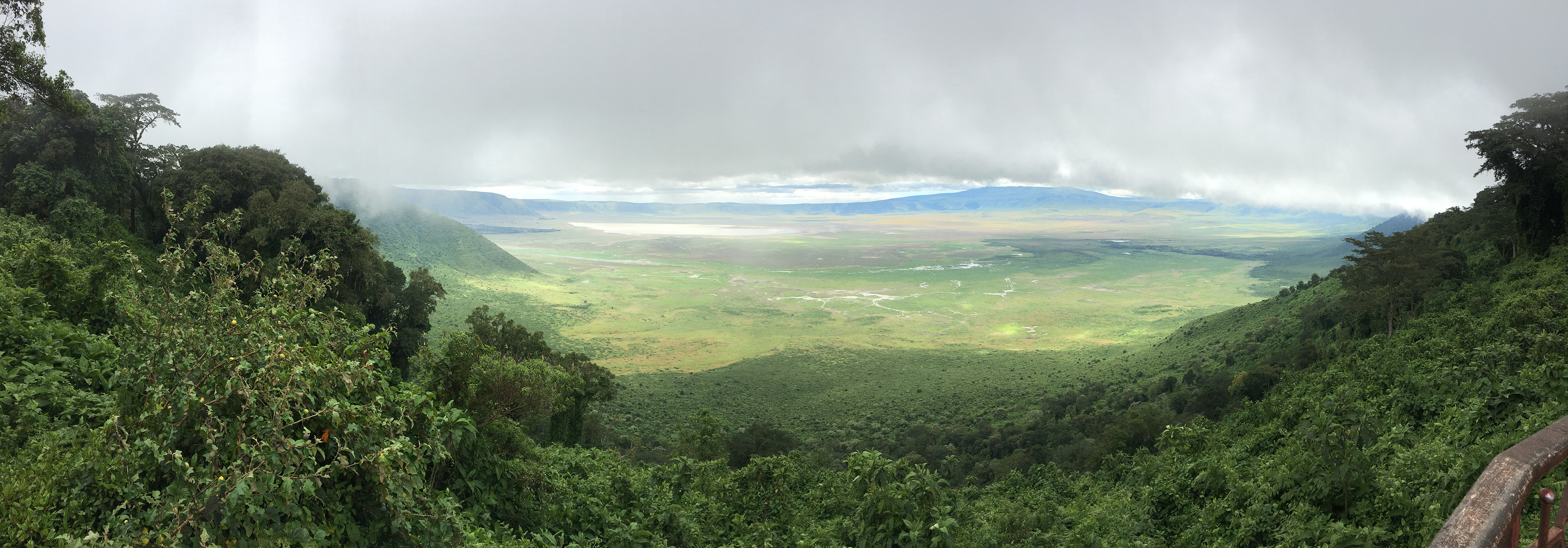
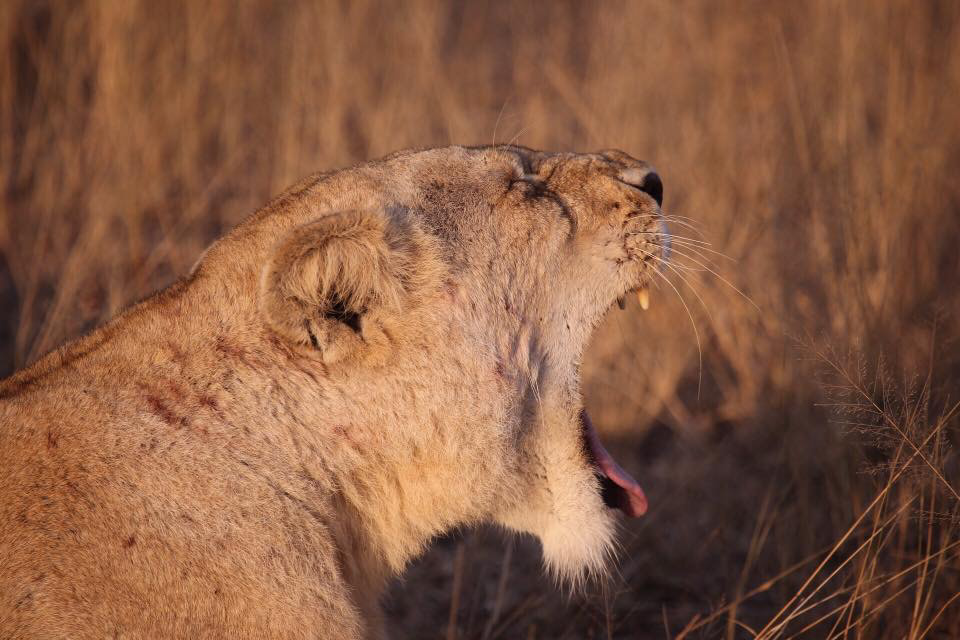
There is nothing quite like seeing wildlife in its natural environment. Leopards moving silently through the grass. Lions gathered around a kill. Baby hyenas looking impossibly like little teddy bears. And landscapes so vast that even the animals seem small within them.
Some encounters have never left me.
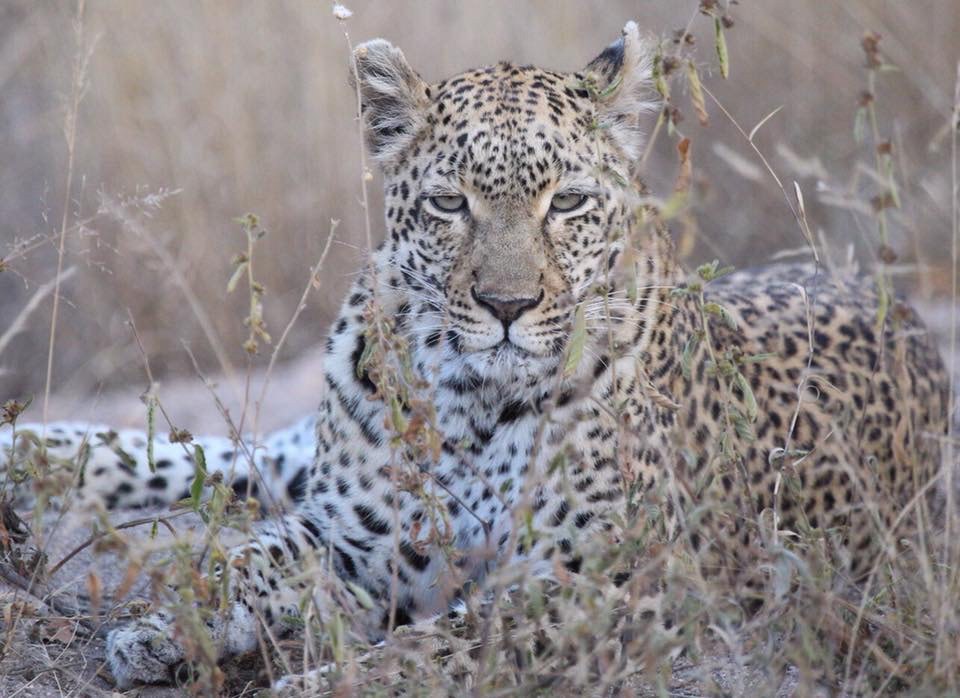
I remember watching a leopard mother repeatedly call for a cub that never appeared, only to learn from the rangers that it had been missing for days and had most likely fallen prey to a larger predator.
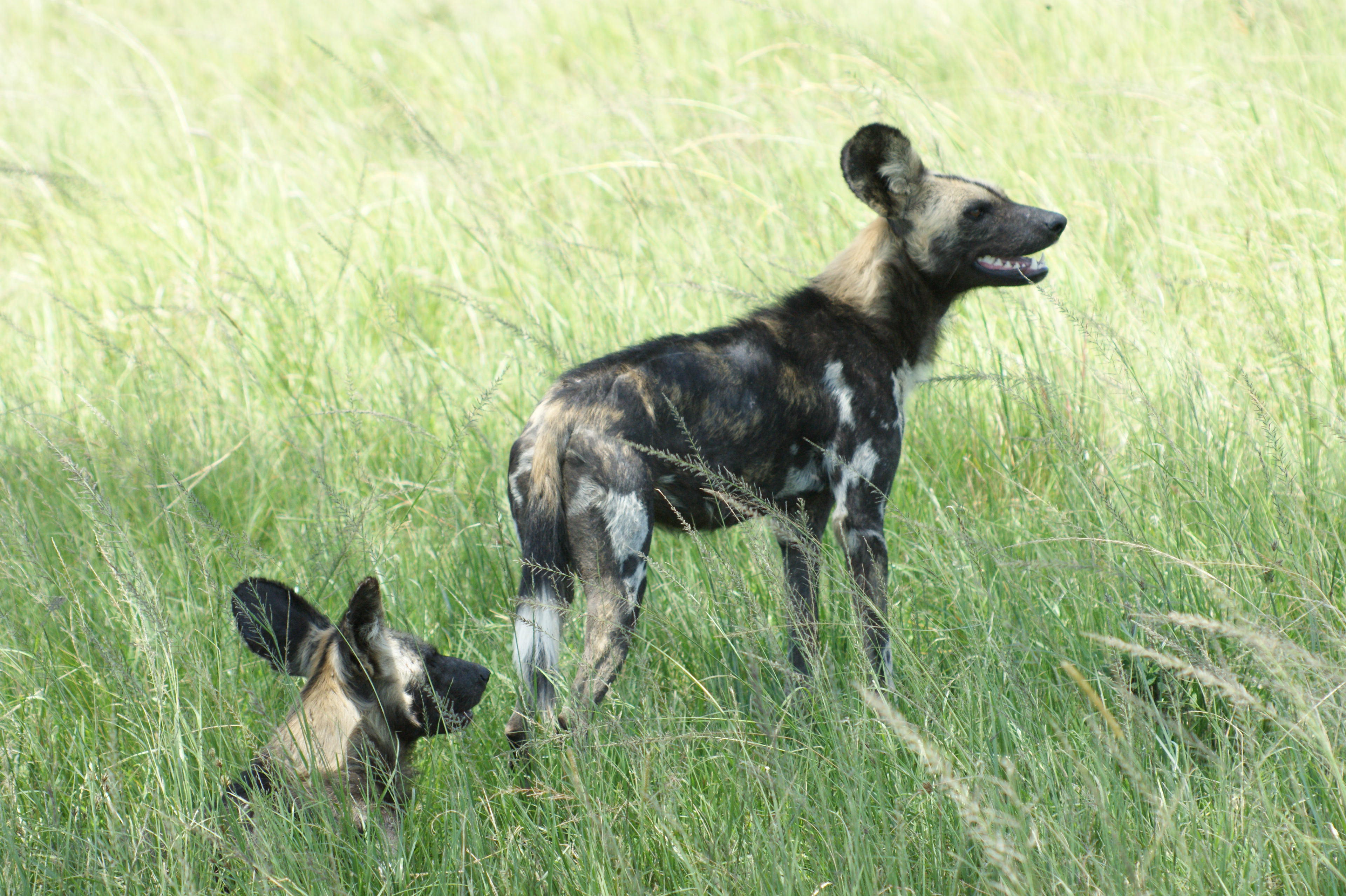
On another trip, we encountered painted dogs in the Masai Mara, where they apparently hadn't been seen for more than twenty years. Other rangers didn't believe us until we showed them our photographs. Watching their disbelief turn to excitement, knowing they were desperate to go and see the dogs for themselves, made the encounter even more extraordinary.
Through the lens
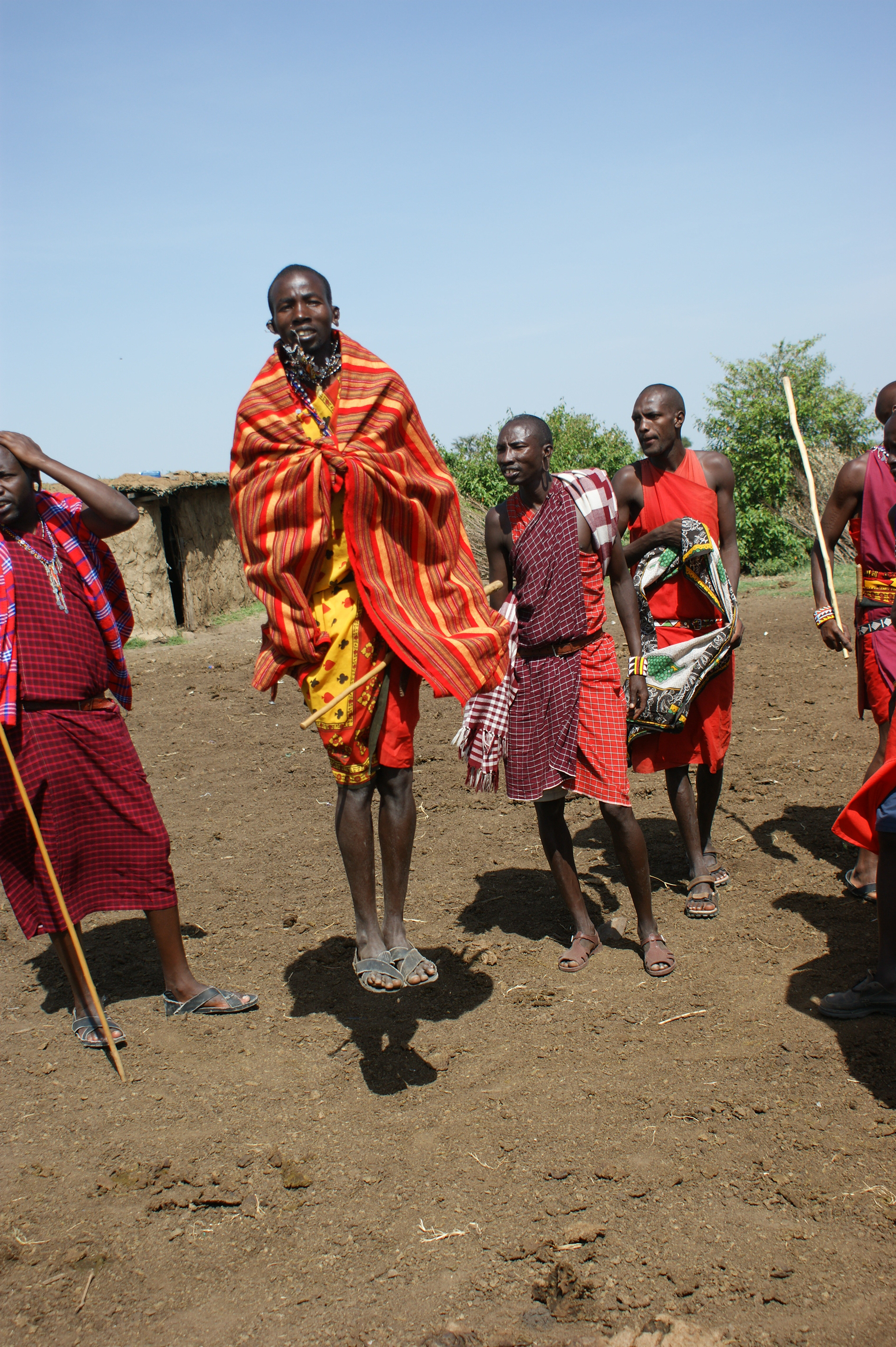
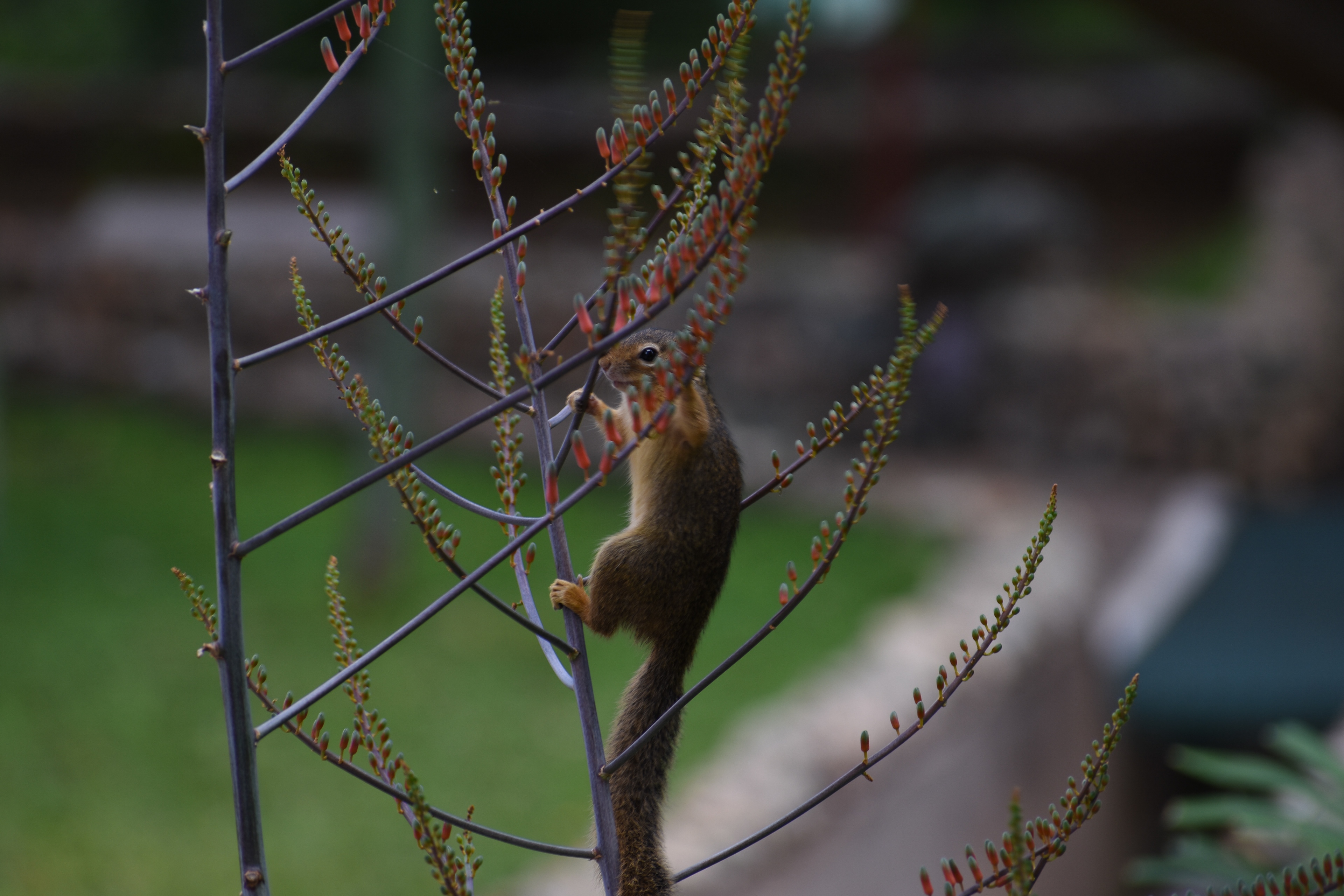
Before my first African trip, I invested in the best digital SLR camera we could afford. Another traveller, a talented photographer, showed me how to get more from it, and a love of photography quickly followed.
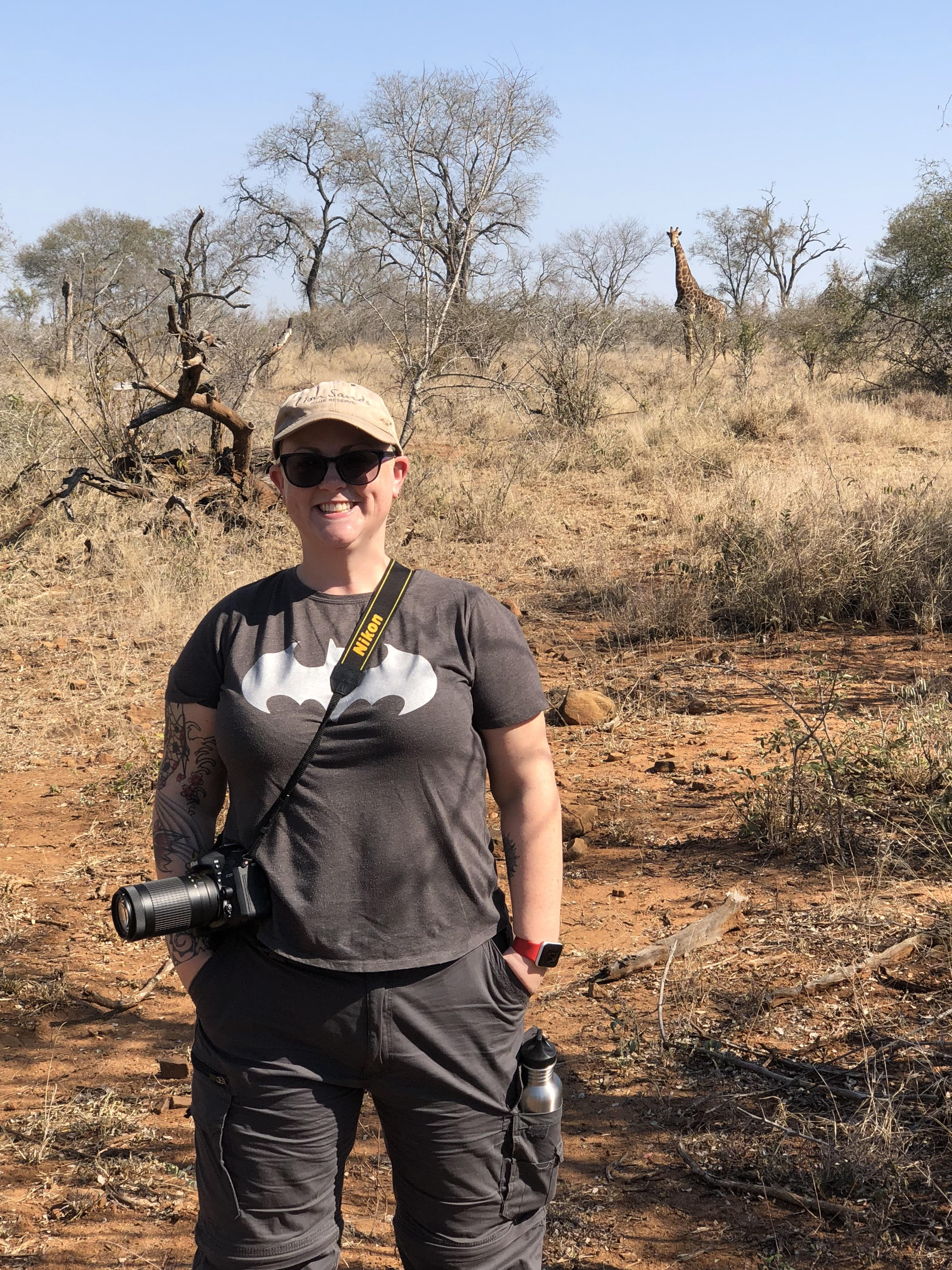
So did the unexpected discovery that I was a bit of a twitcher.
Birds, which had only casually interested me before, suddenly became another reason to reach for the camera. Eventually I upgraded to a Nikon and better lenses, giving me more freedom to capture the wildlife, details and fleeting moments that caught my attention.
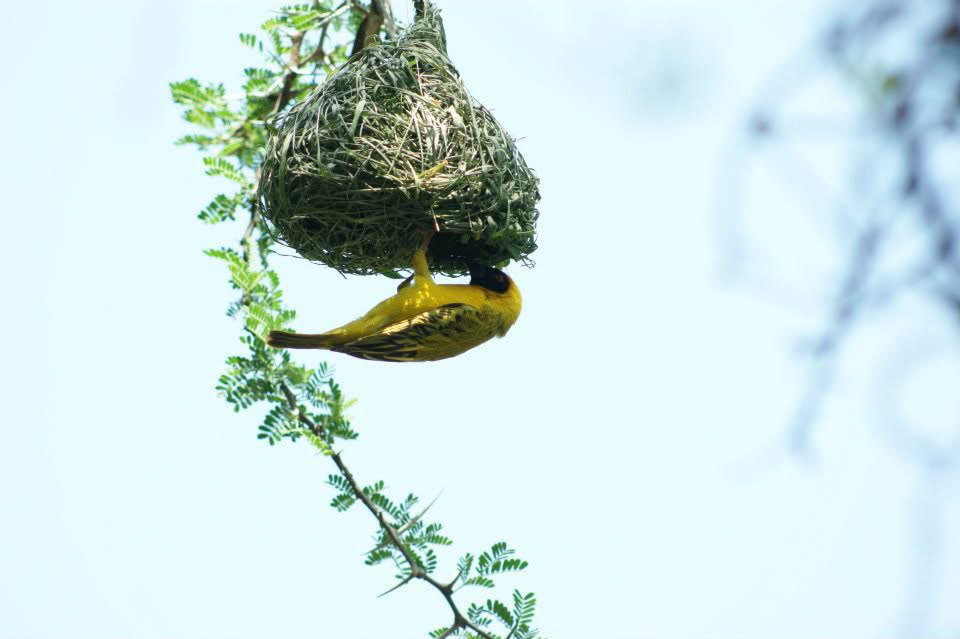
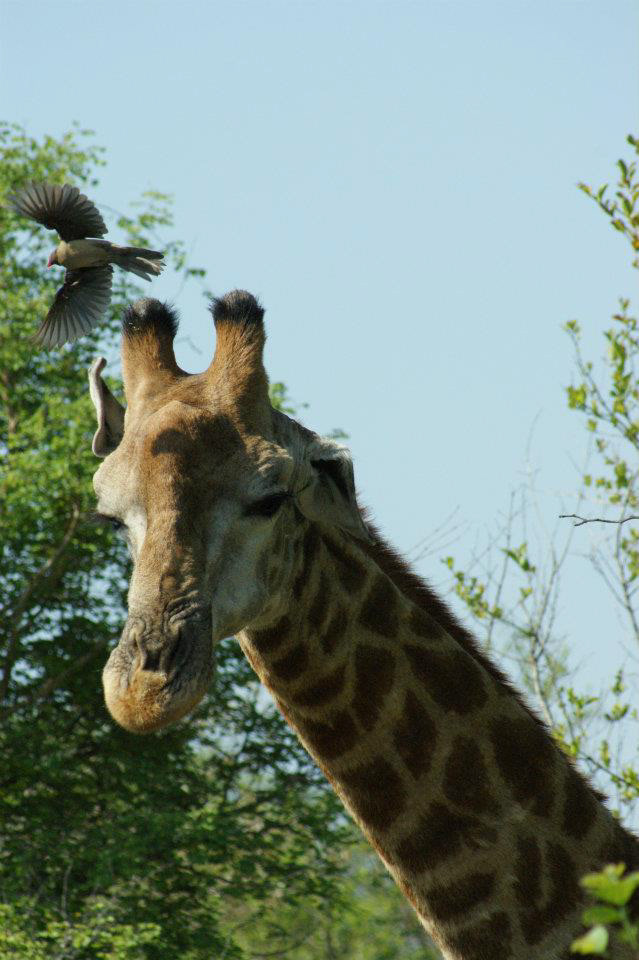
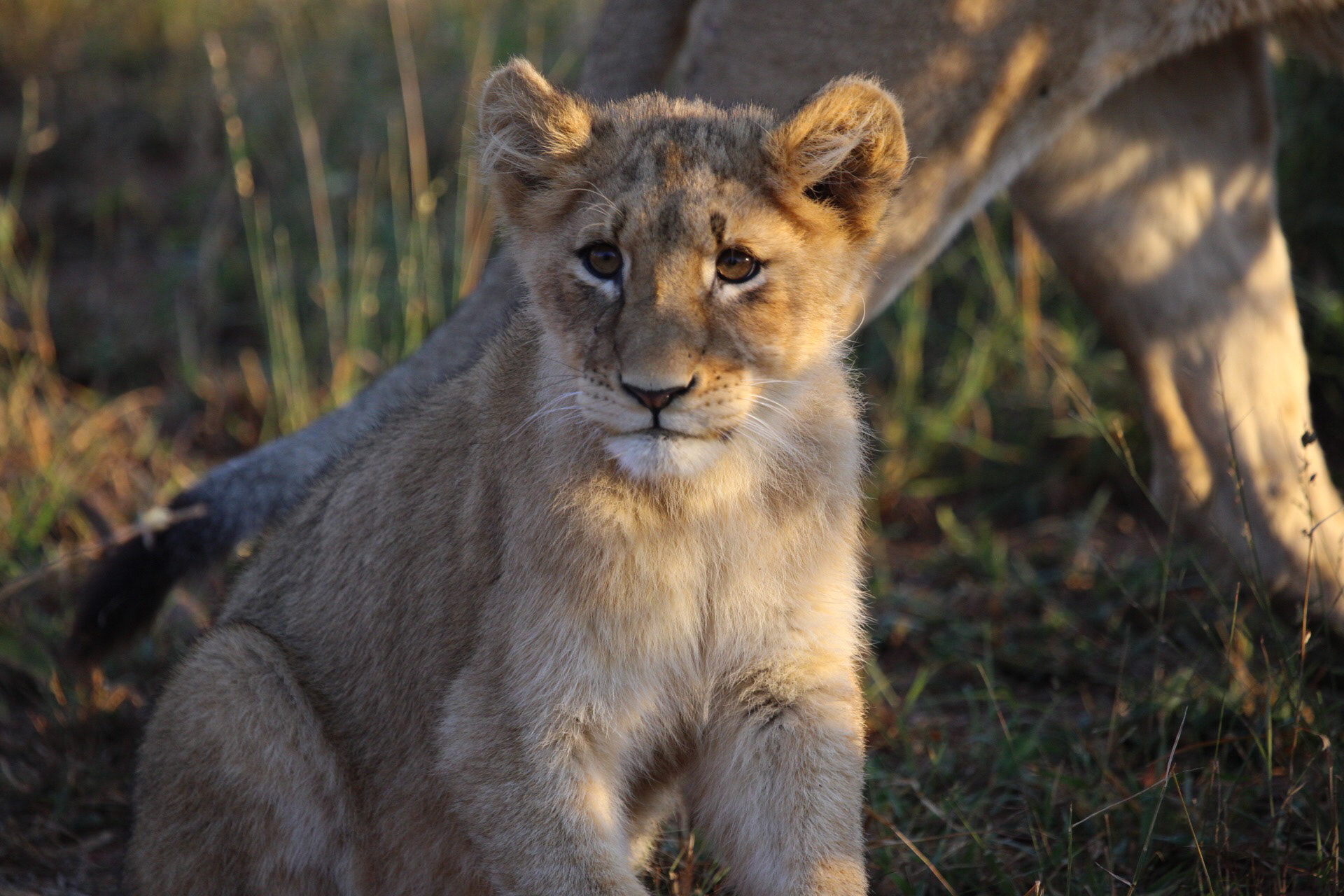
At the time, that was all the photographs were ever intended to be: memories of extraordinary places and experiences, occasionally shared on my travel business Facebook page.
I had absolutely no idea they were quietly becoming an archive for a creative life I hadn't discovered yet.
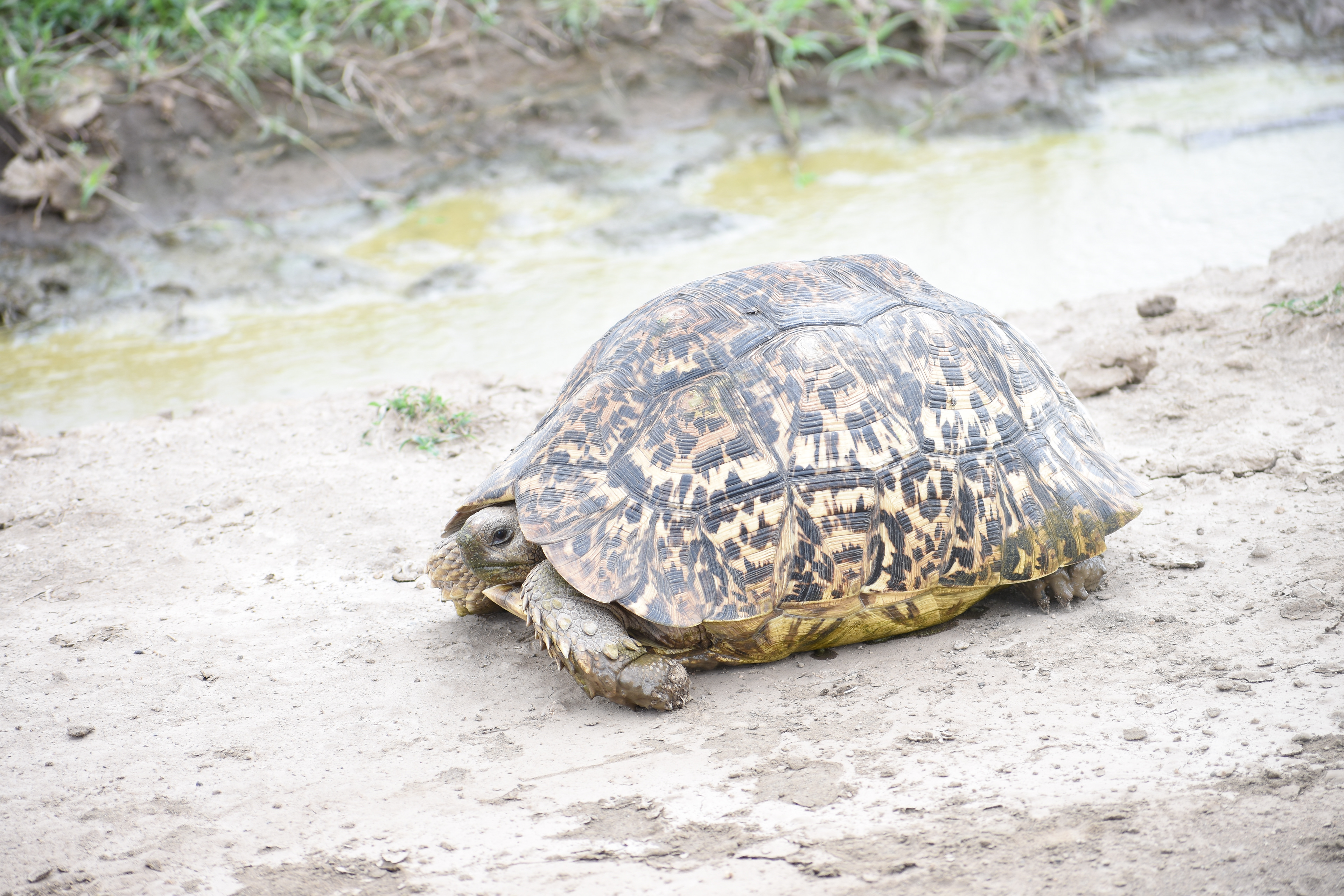
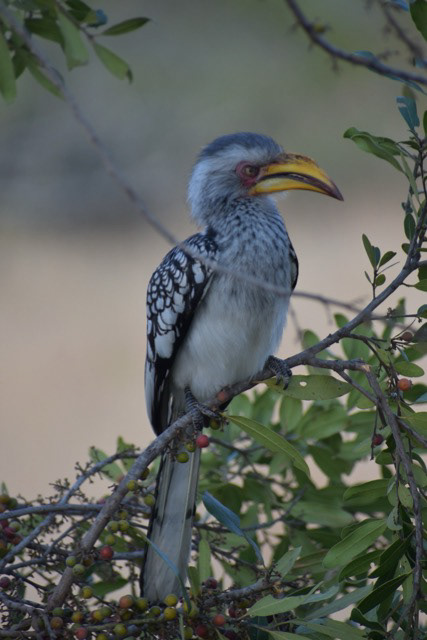
From memories to marks
Years later, after discovering surface pattern design, I returned to those photographs with completely different eyes.
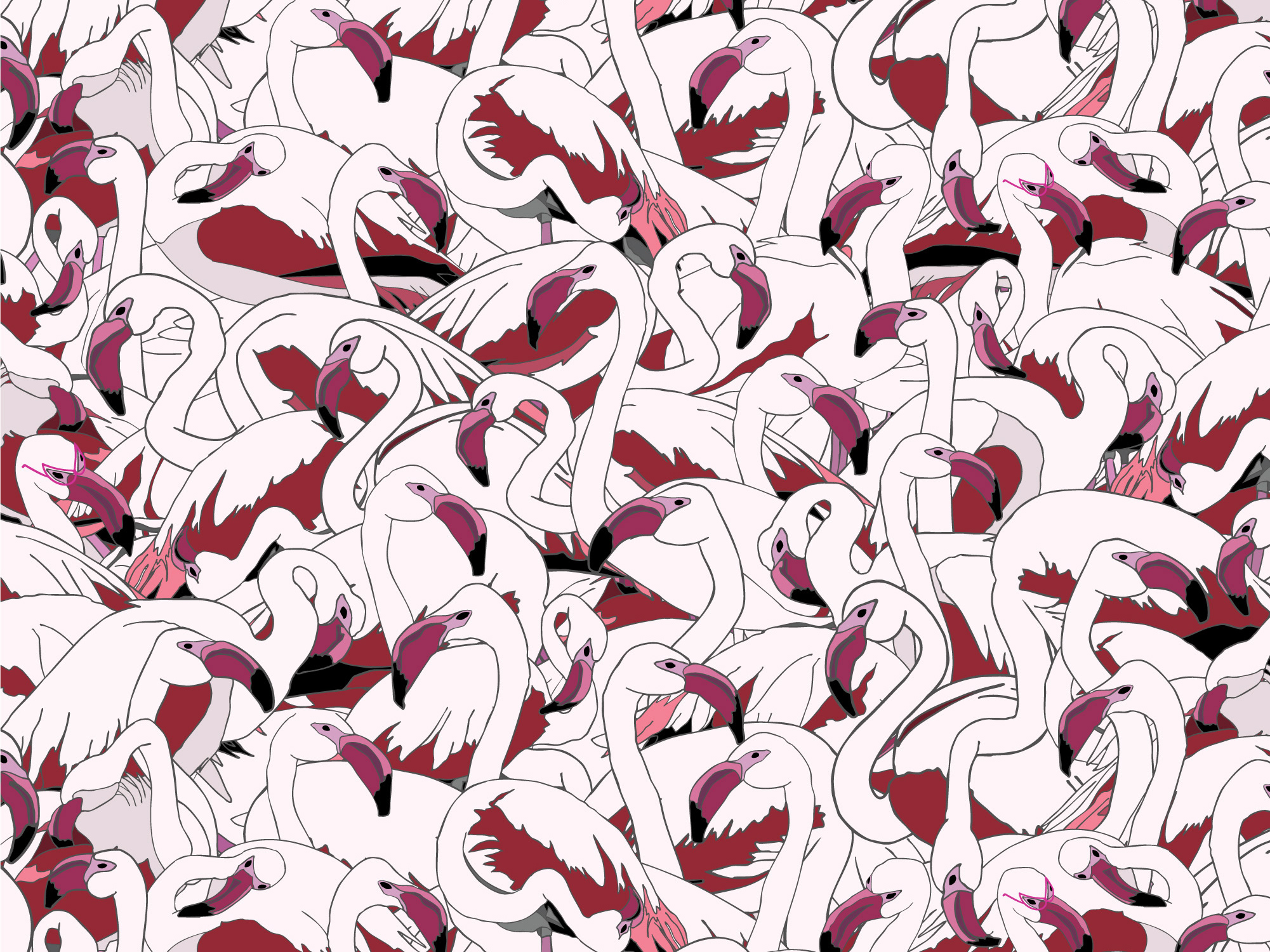
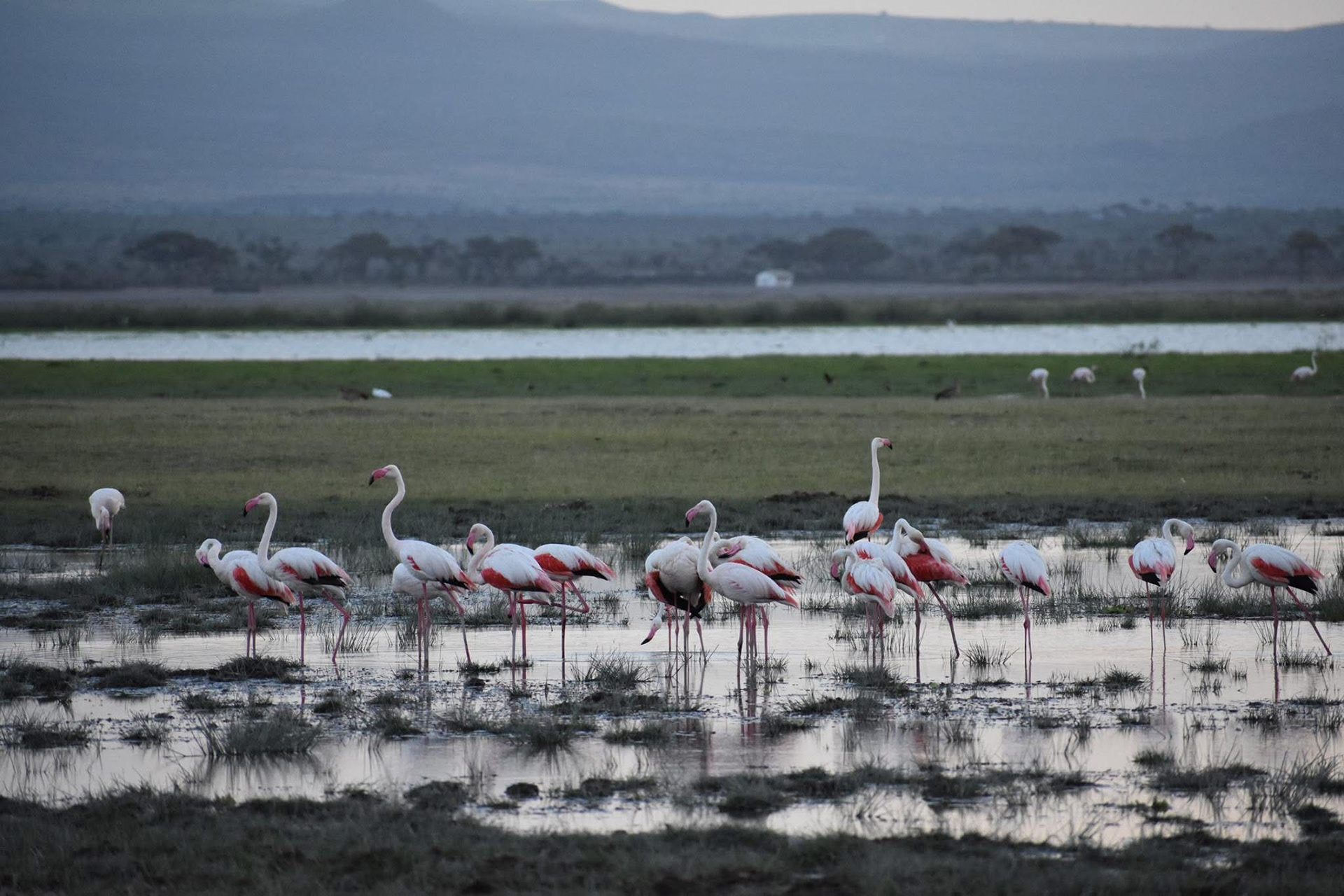
Tails of Africa began with flamingos, birds I had always found fascinating, and grew deliberately as a collection. Coming just after my first collections, Birds of a Flamin' Feather and Threads of Memory, it also became an opportunity to experiment with ways of drawing and making patterns that were new to me.
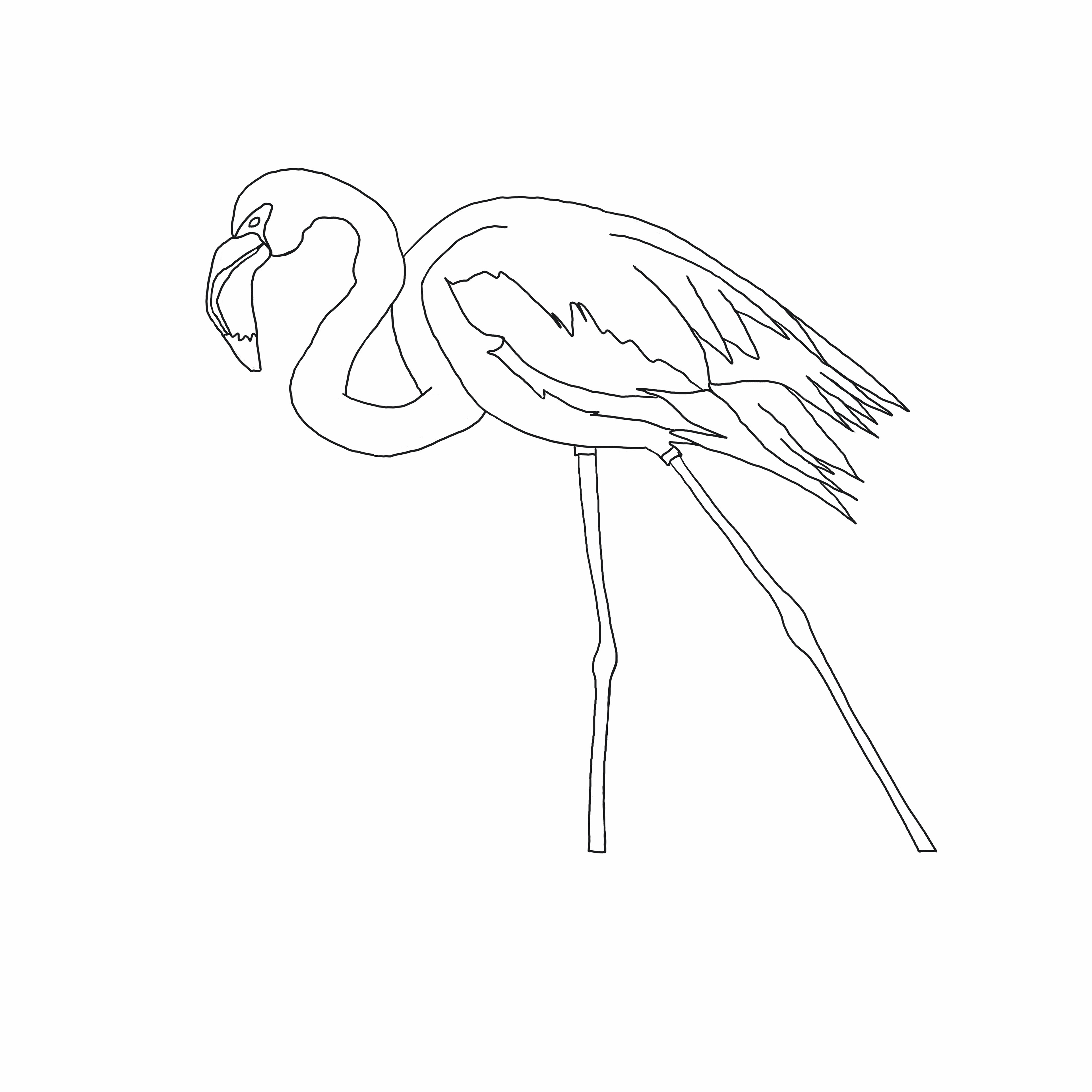
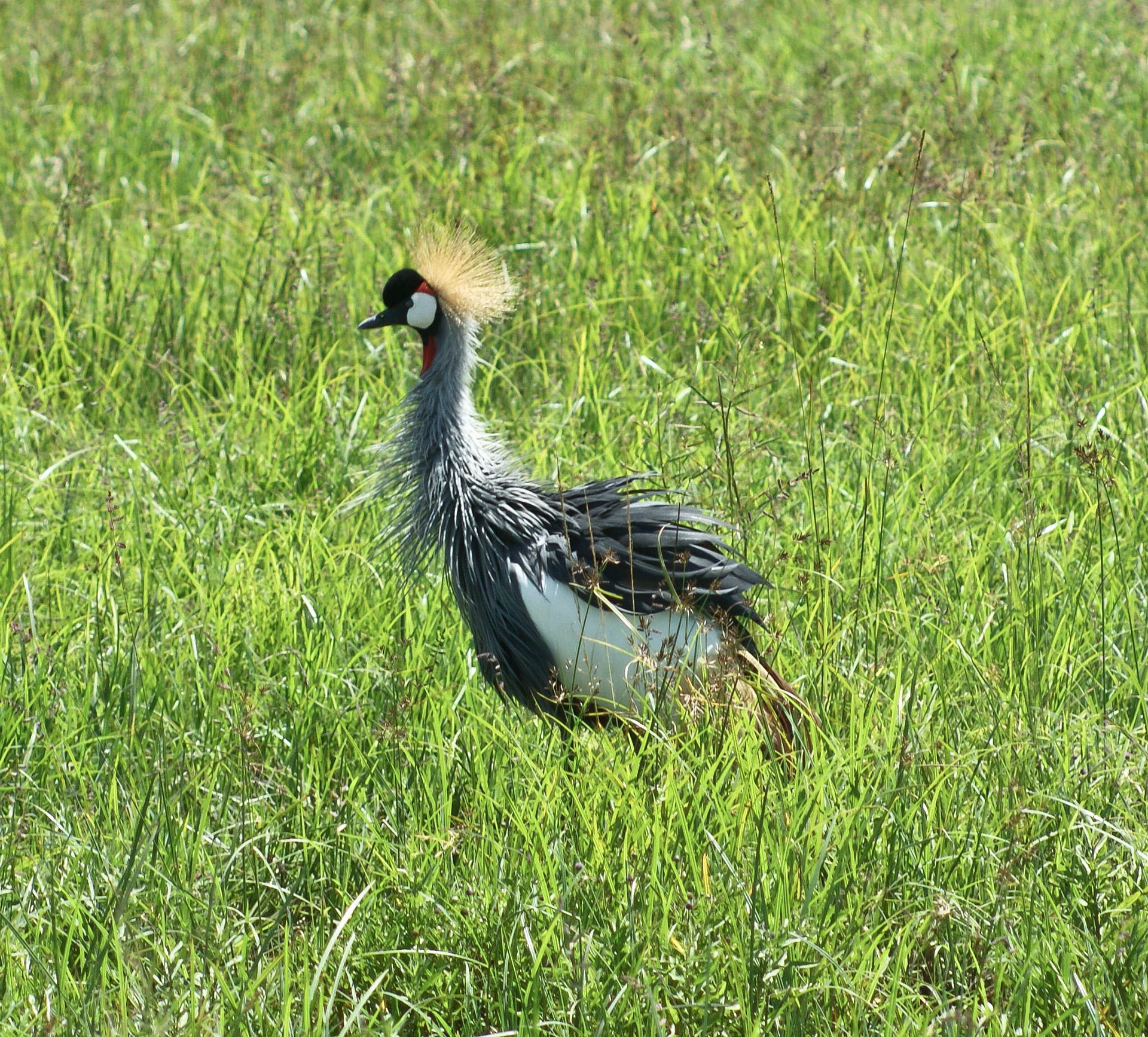
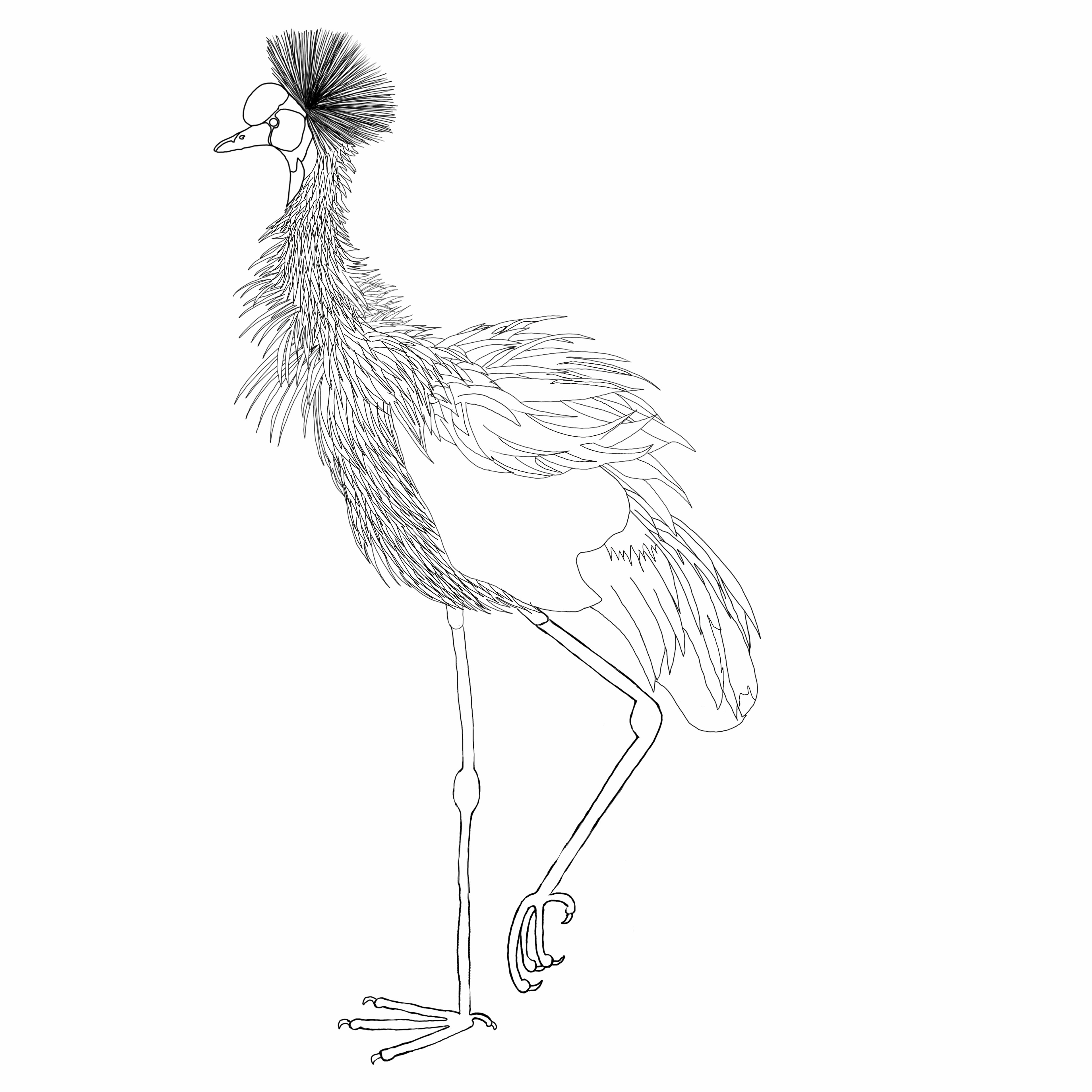
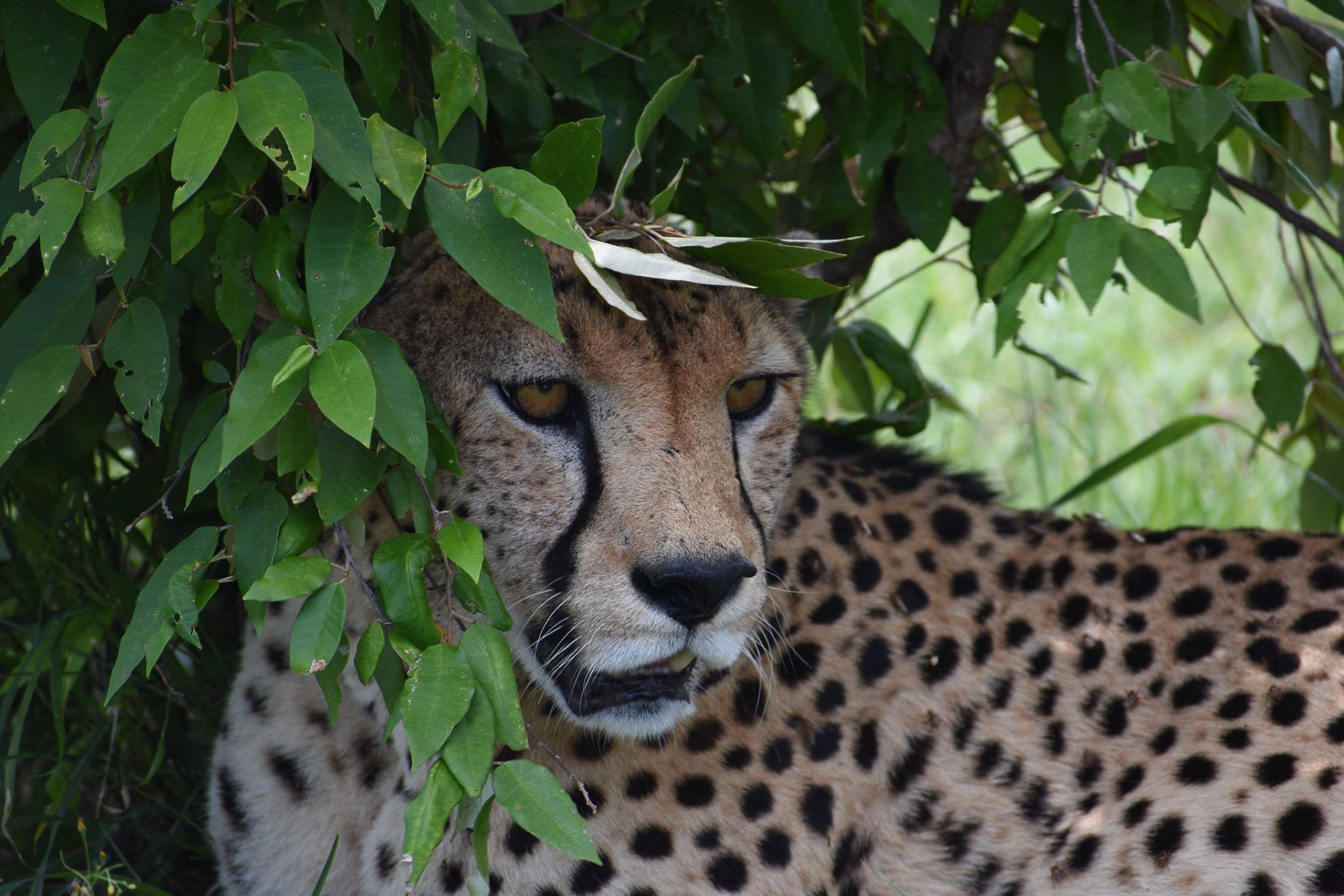
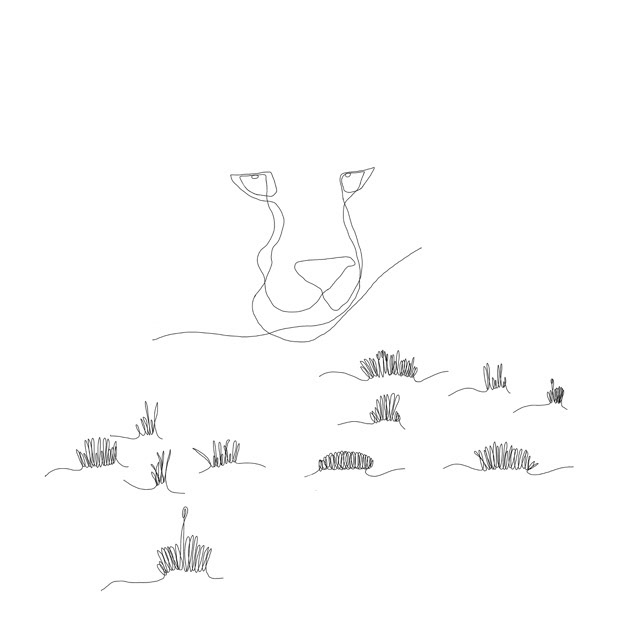
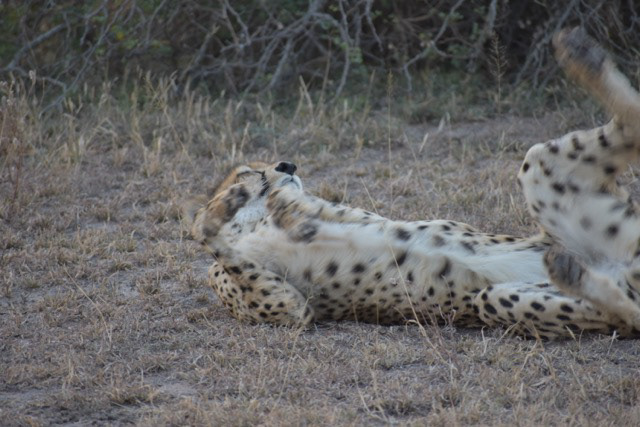
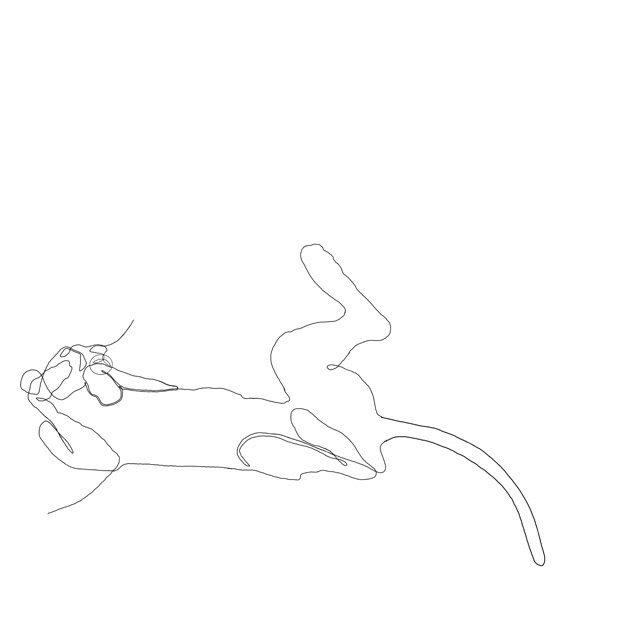
The cheetahs became my first attempt at continuous-line illustration. Inspired by single-line artwork I had encountered elsewhere, I wondered whether the same approach might capture the movement of the cheetahs I had photographed in so many different poses.
For the leopard print, I went in the opposite direction.
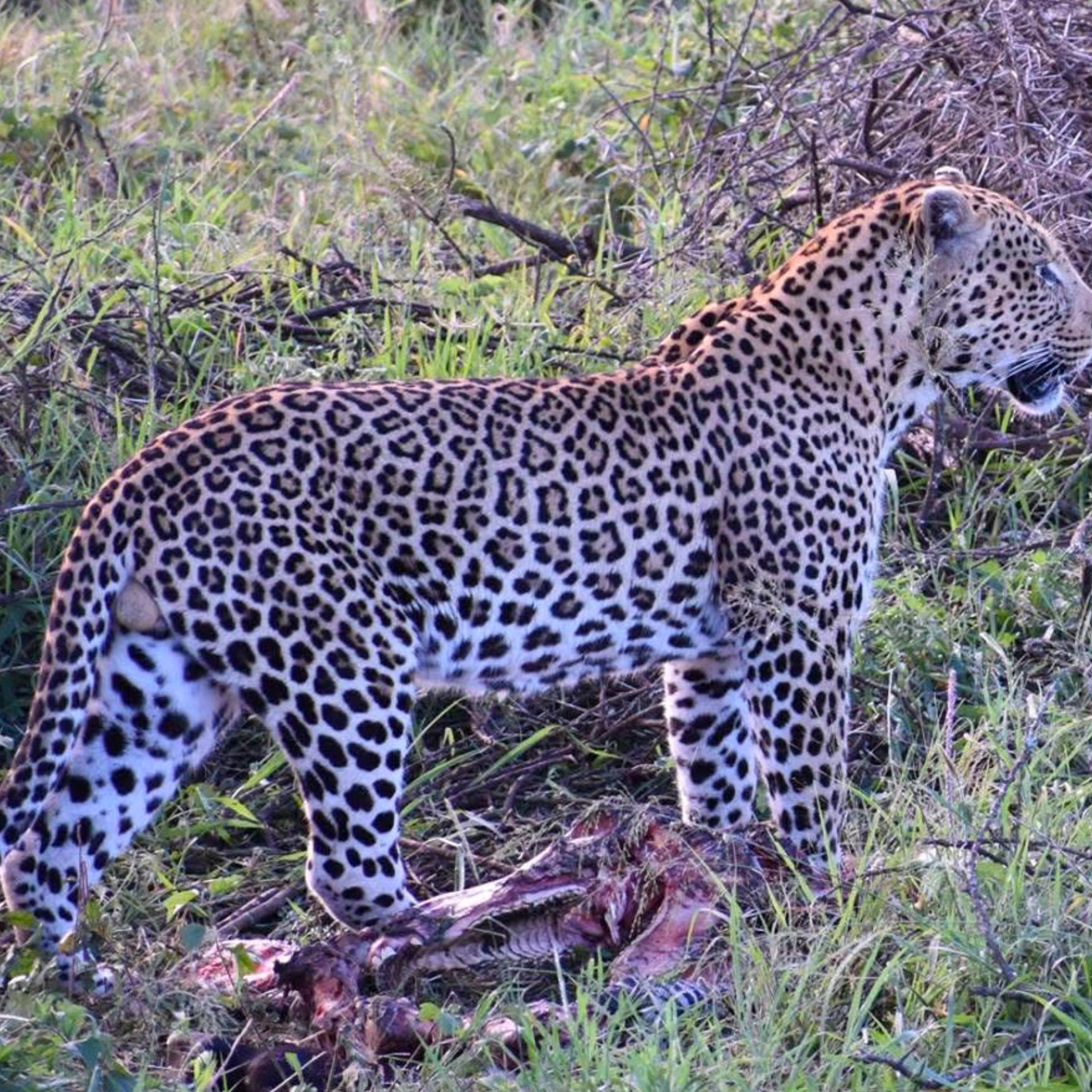
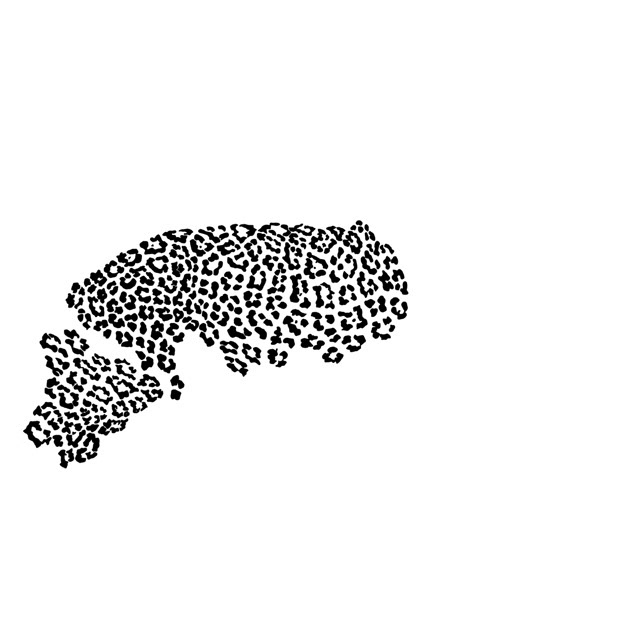
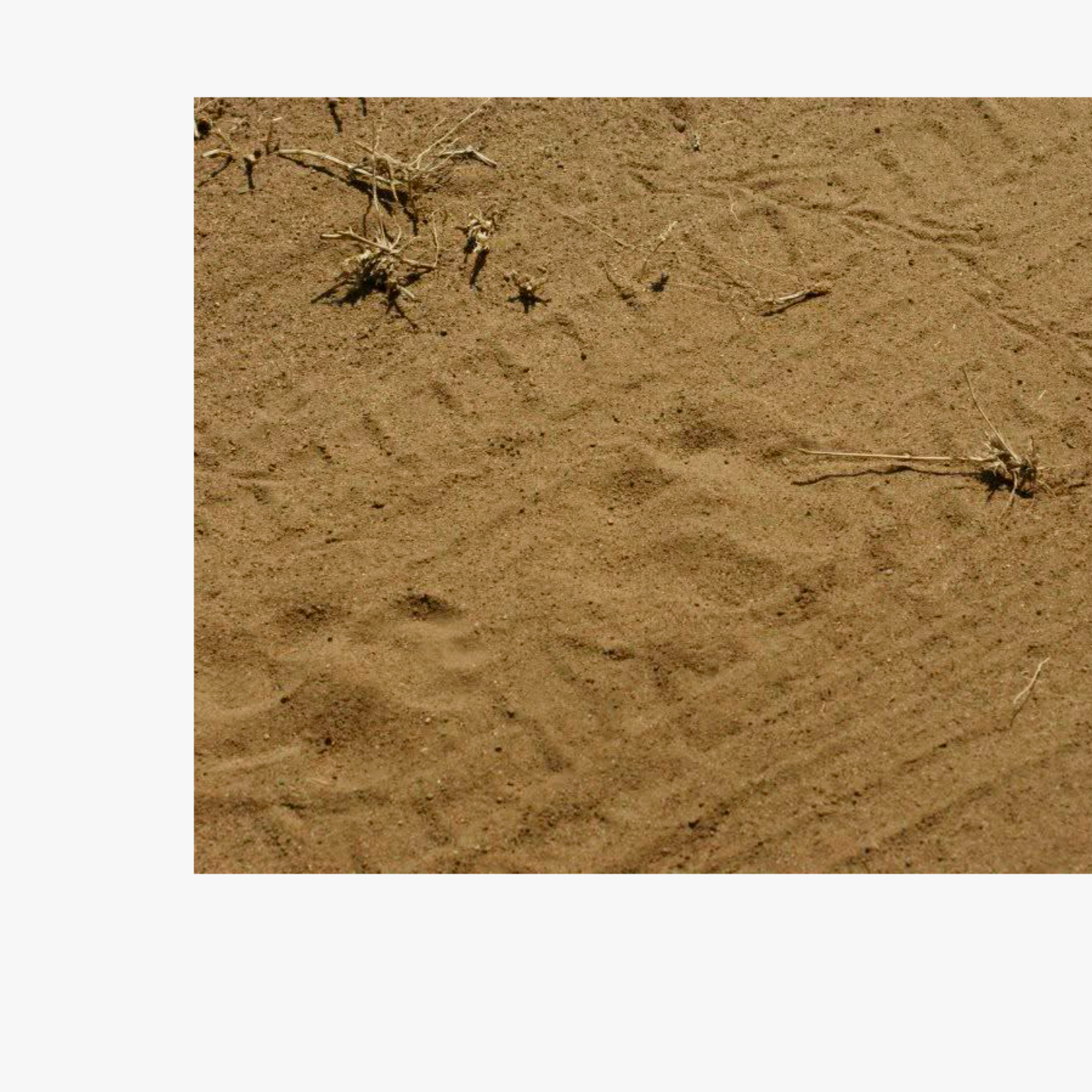
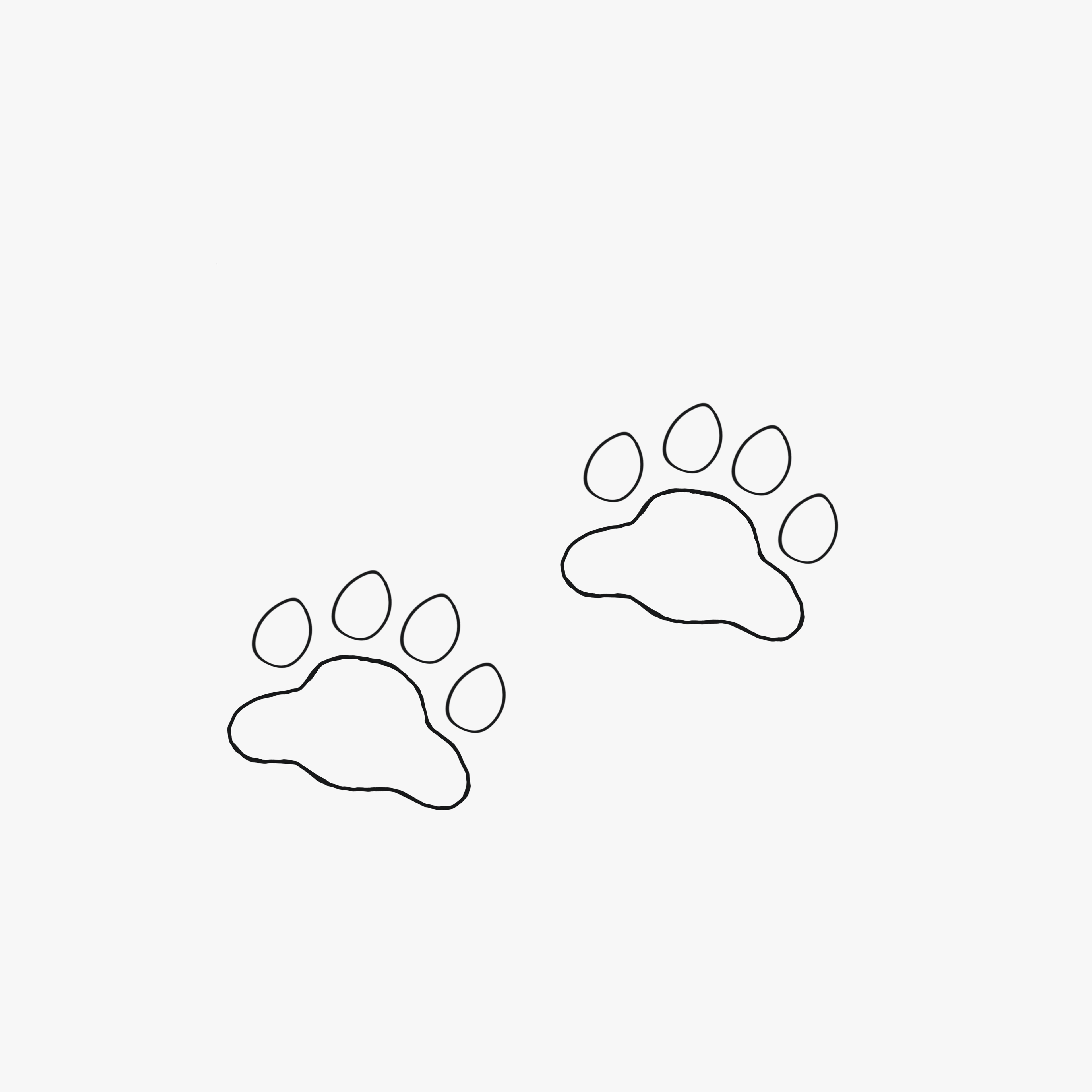
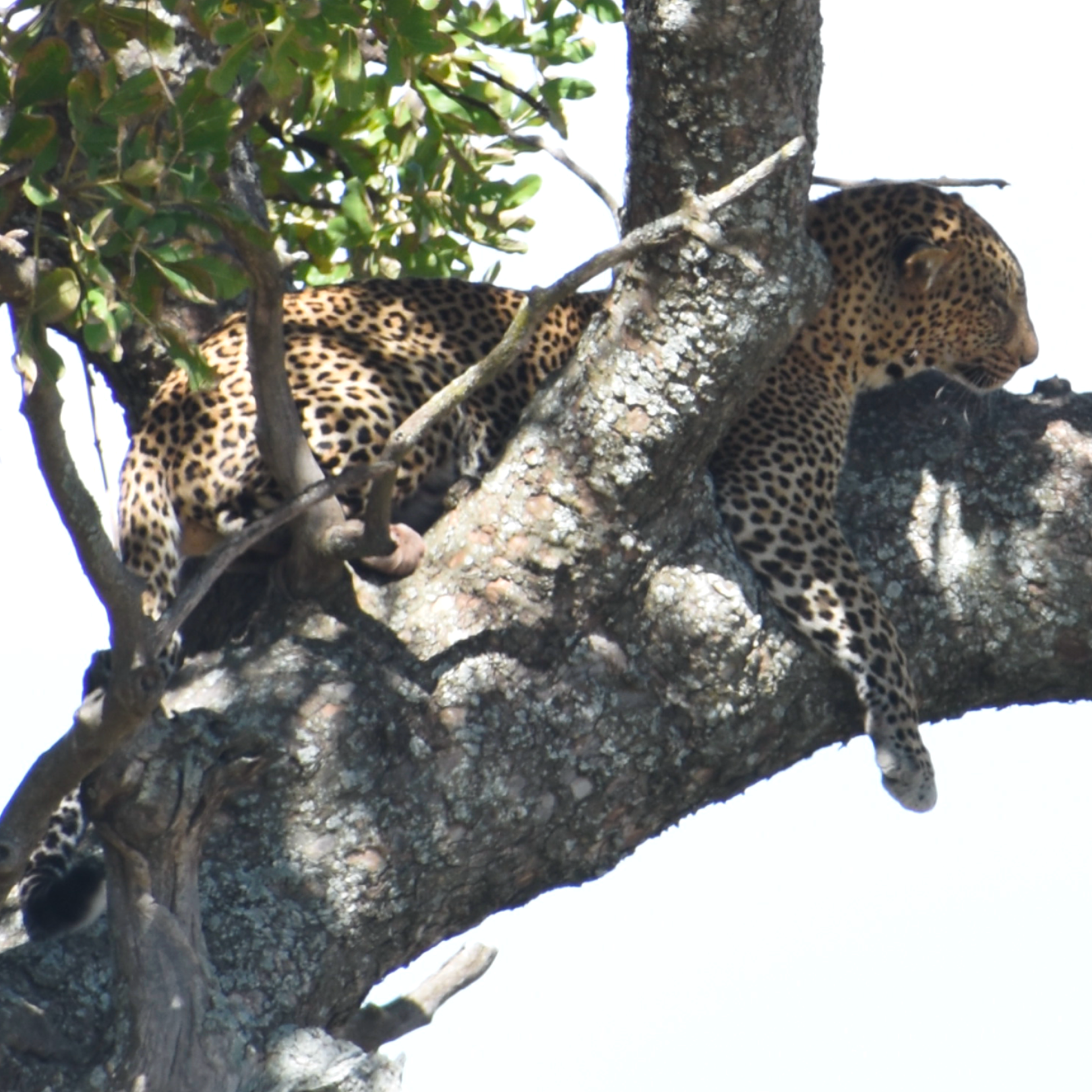
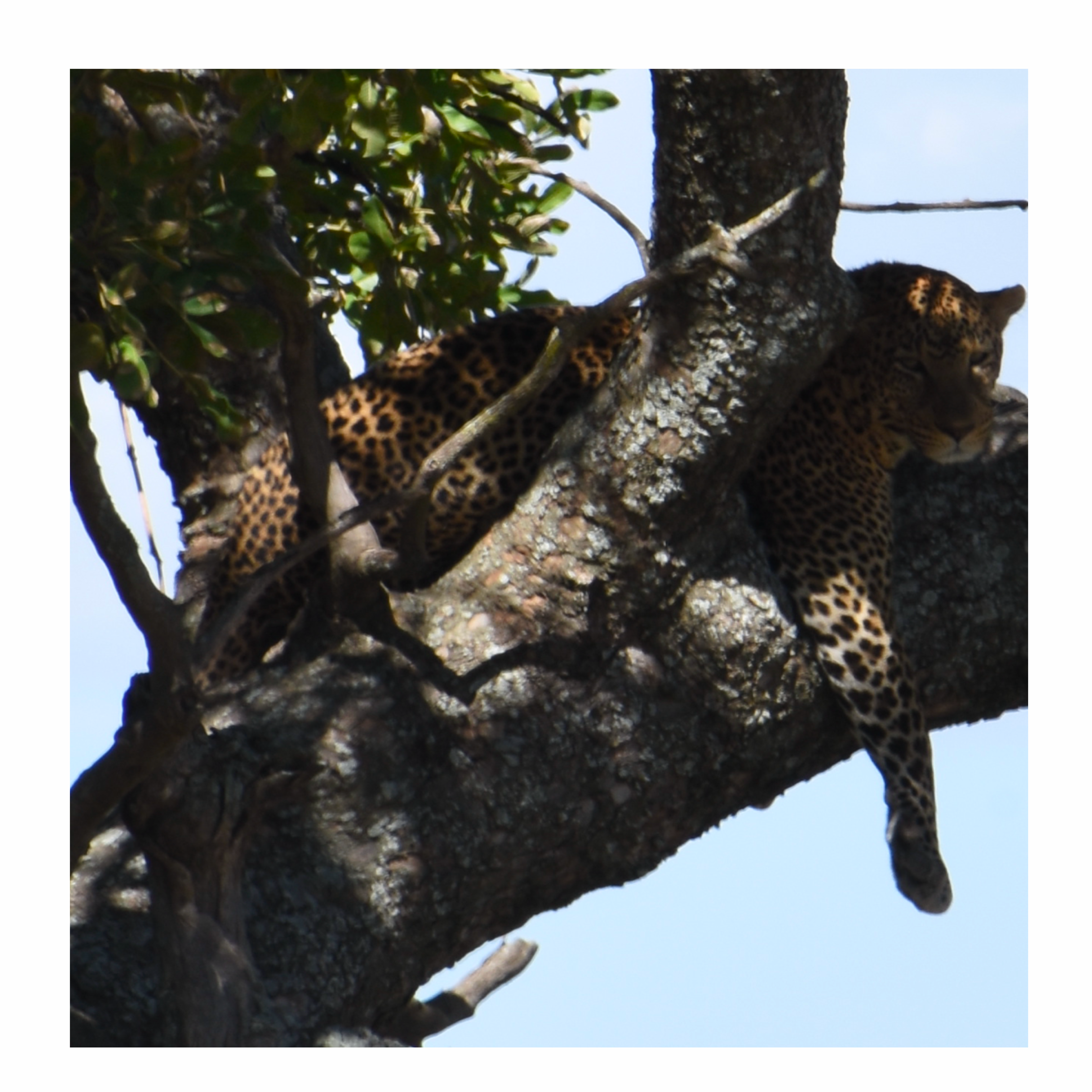
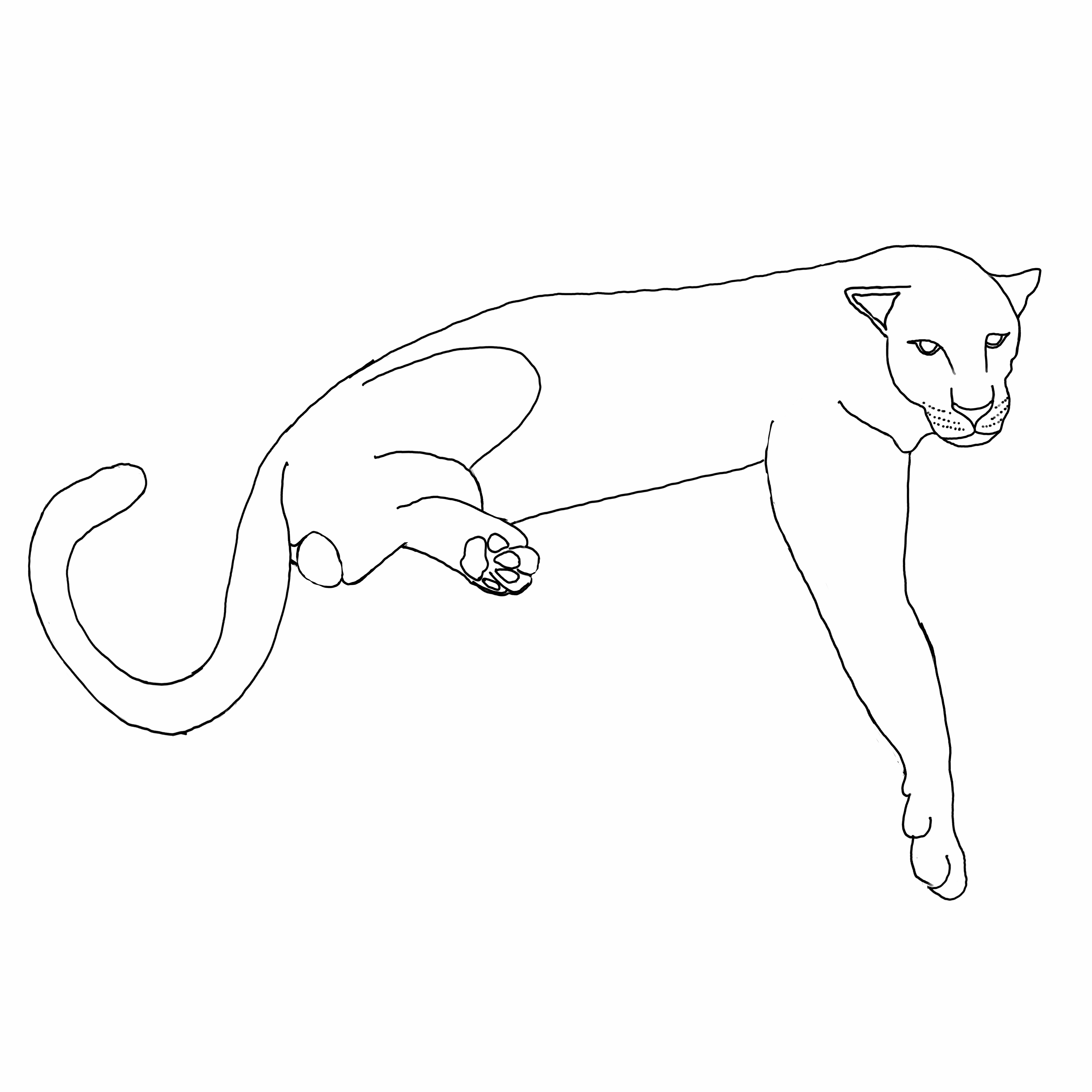
Instead of drawing the animal, I traced individual rosettes from my clearest full-body leopard photographs, created the underlying spots myself, and rearranged them into a repeat. Leopard print has never actually been particularly me, so naturally my version needed something extra: paw prints, drawn from a photograph I'd taken of tracks in the sand, hidden amongst the markings.
A little sass beneath the spots.
Sunsets, Sundowners and Savannah Stories
Some of my strongest memories of Africa aren't of individual animals at all.
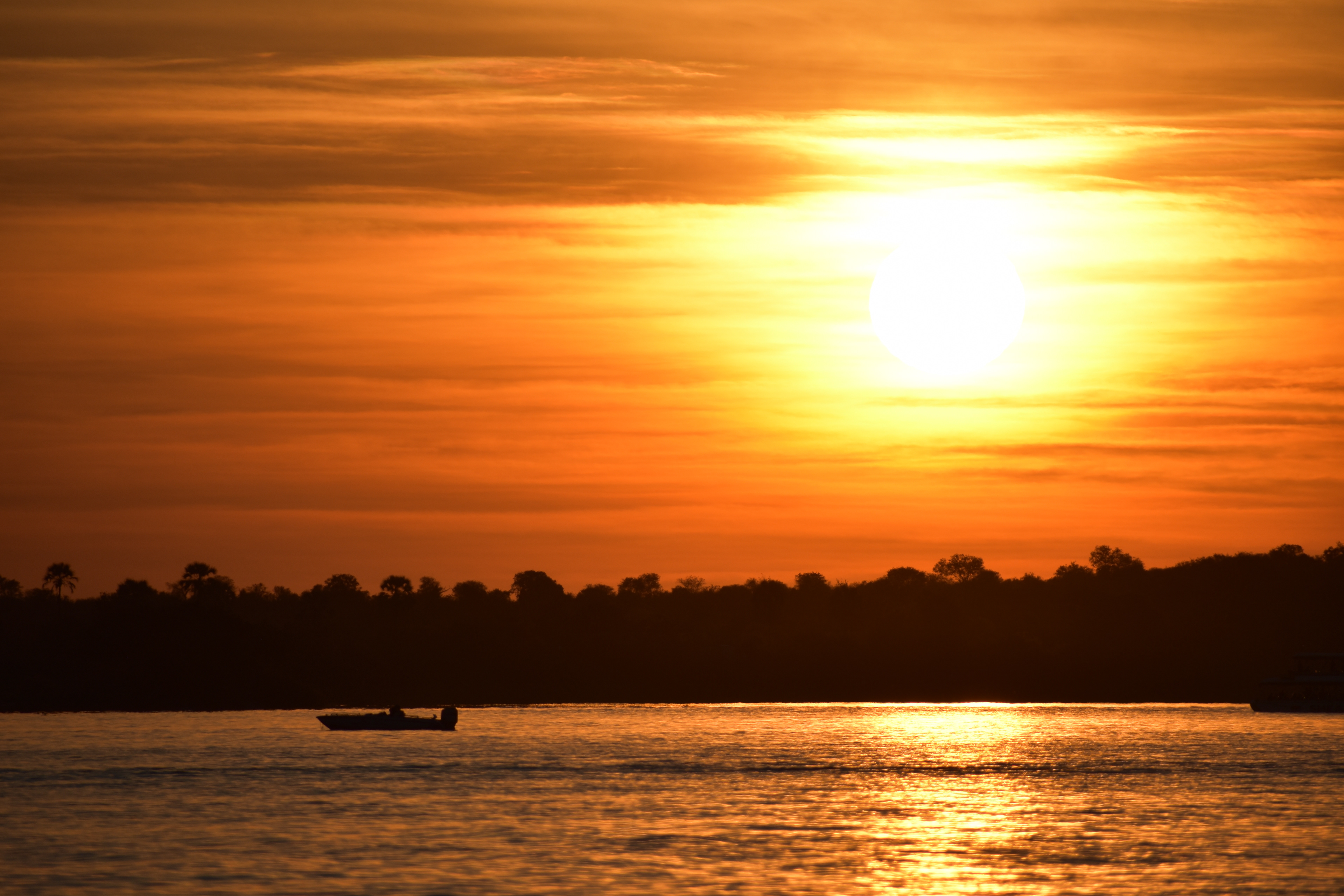
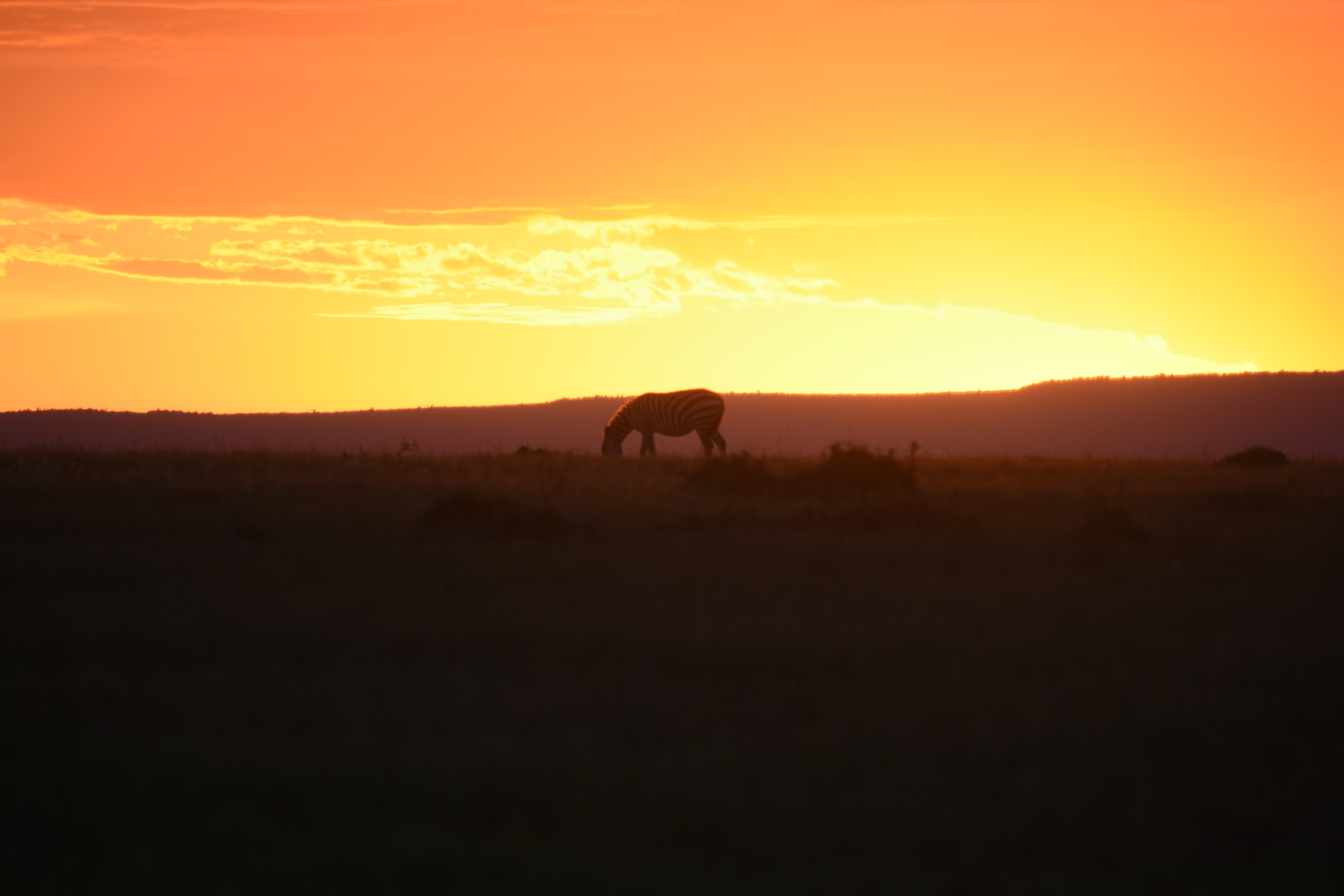
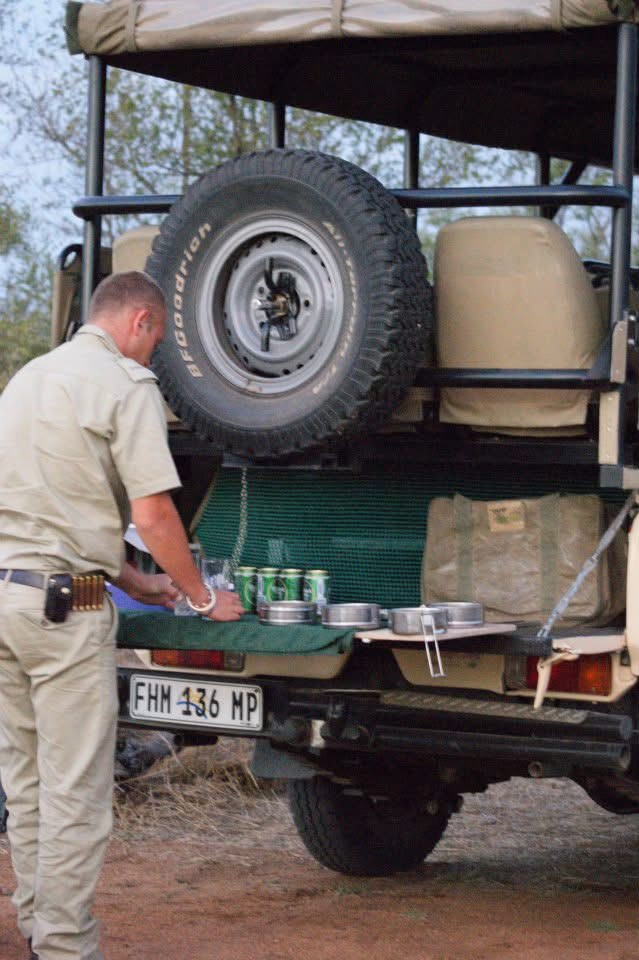
Evening game drives often ended with sundowners: a drink, a few nibbles and an African sunset unfolding around us. Wildlife and trees became silhouettes against skies that seemed almost impossibly saturated with colour.
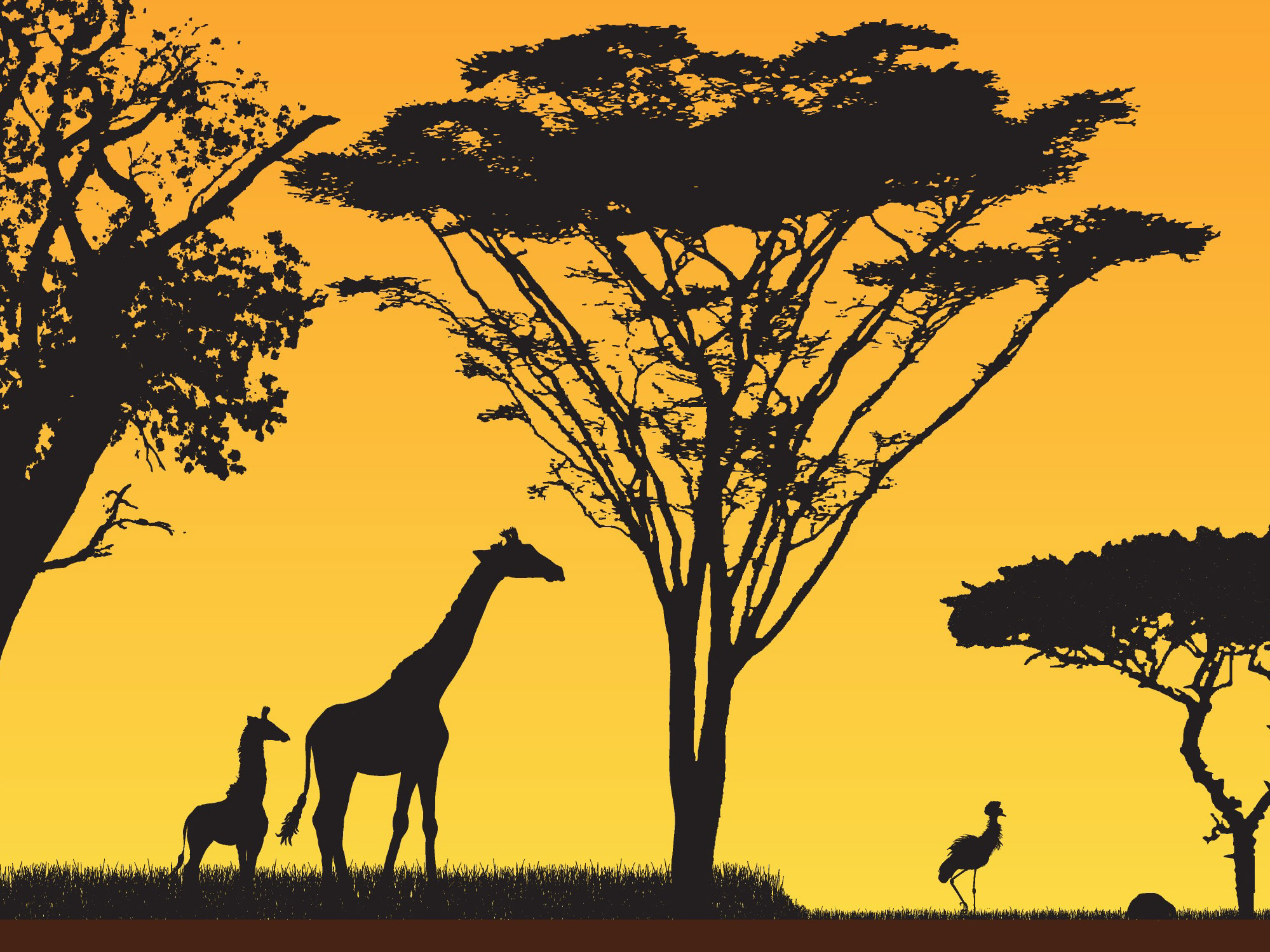
Those memories became the inspiration for Savannah After Dark.
Once that panoramic border was finished, its companion Savannah Sunrise followed, bringing the same animals into the morning light and giving their beautiful details a chance to step out of silhouette.
Together, the two designs became little windows back into the landscapes I still miss.
One last bloom
Most of Tails of Africa was completed over several months, but I knew the collection wasn't quite finished. So I put it aside.
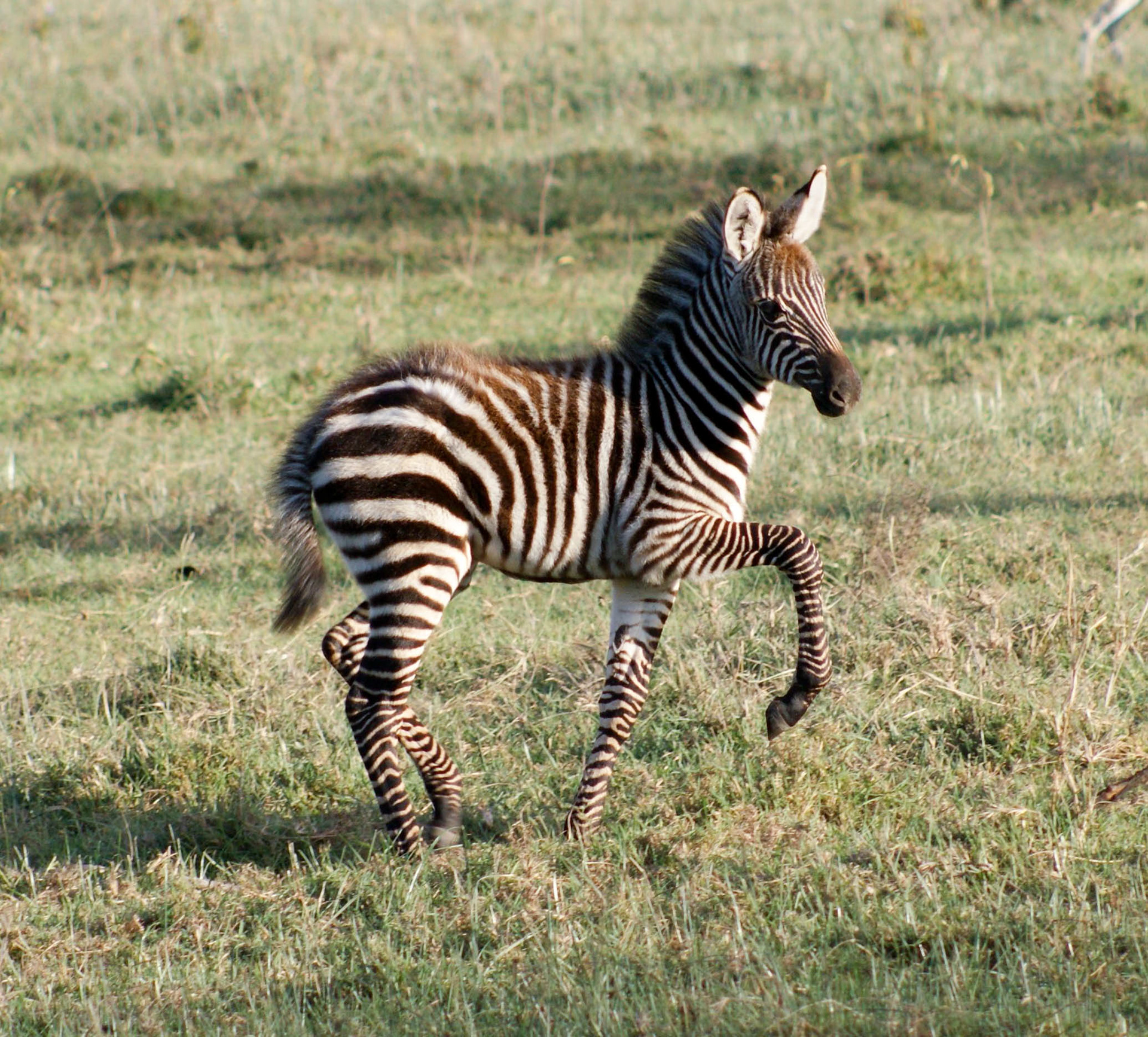
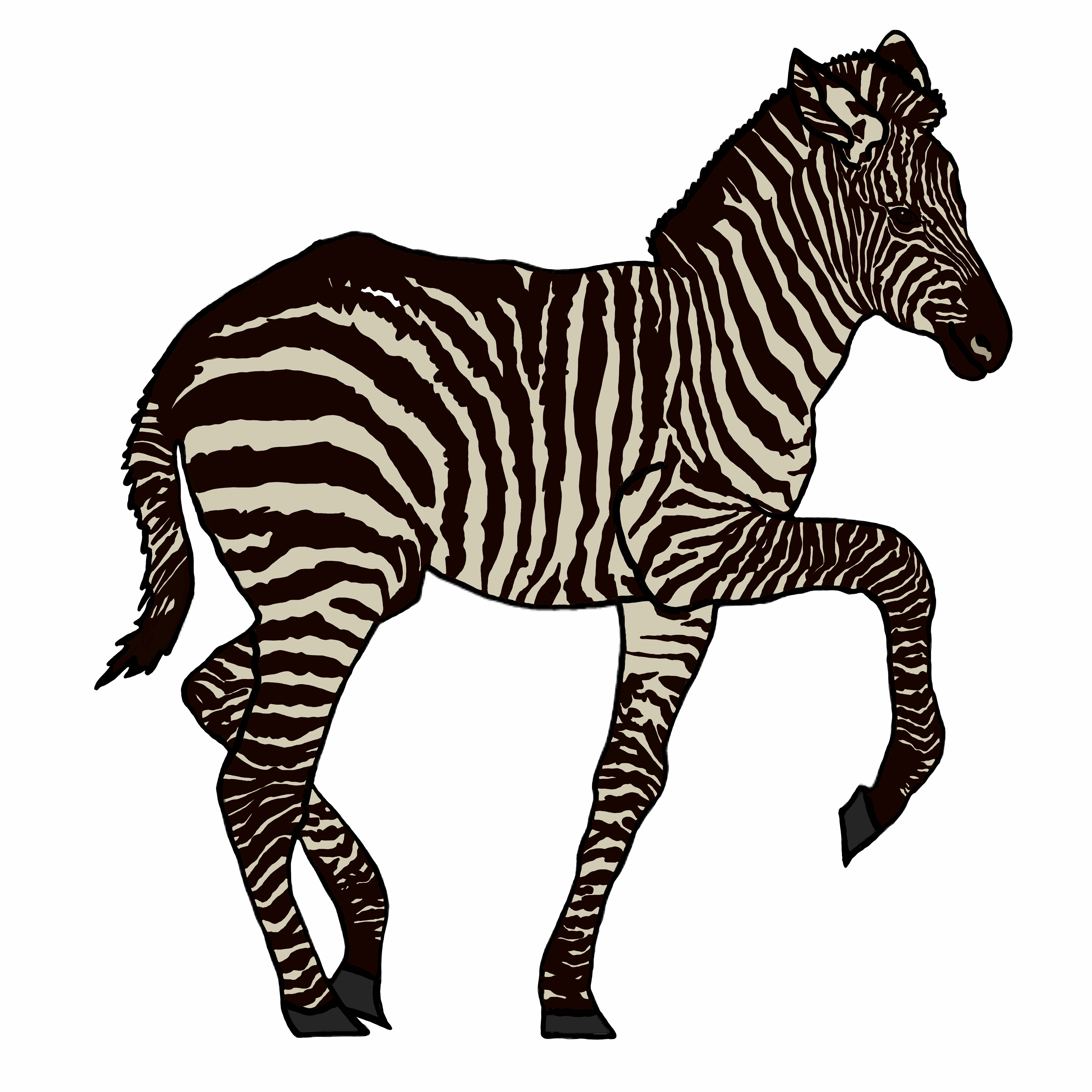
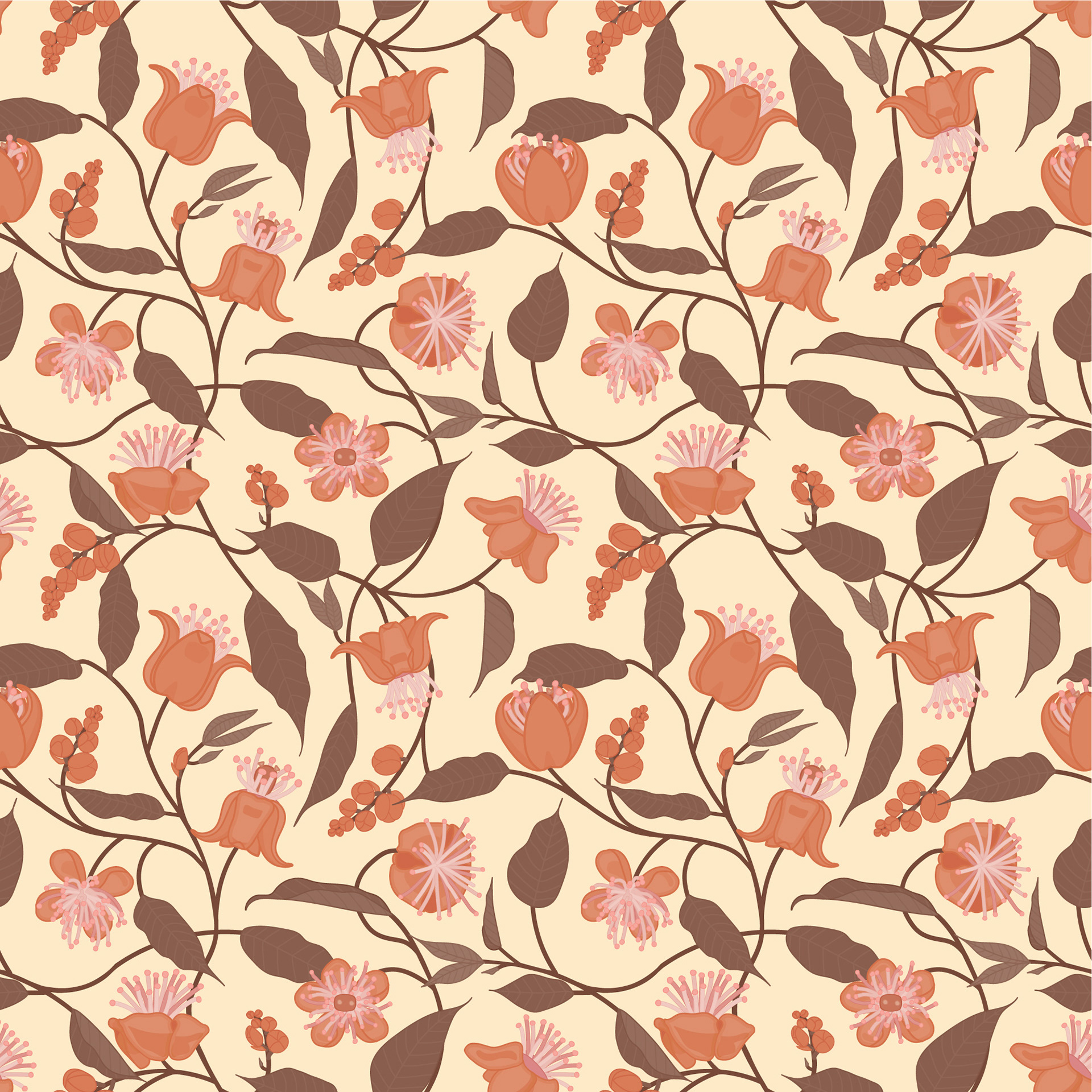
When I returned to it much later, fresh eyes helped me finally resolve the missing pieces, including the zebra stripe I'd struggled with originally and one last botanical.
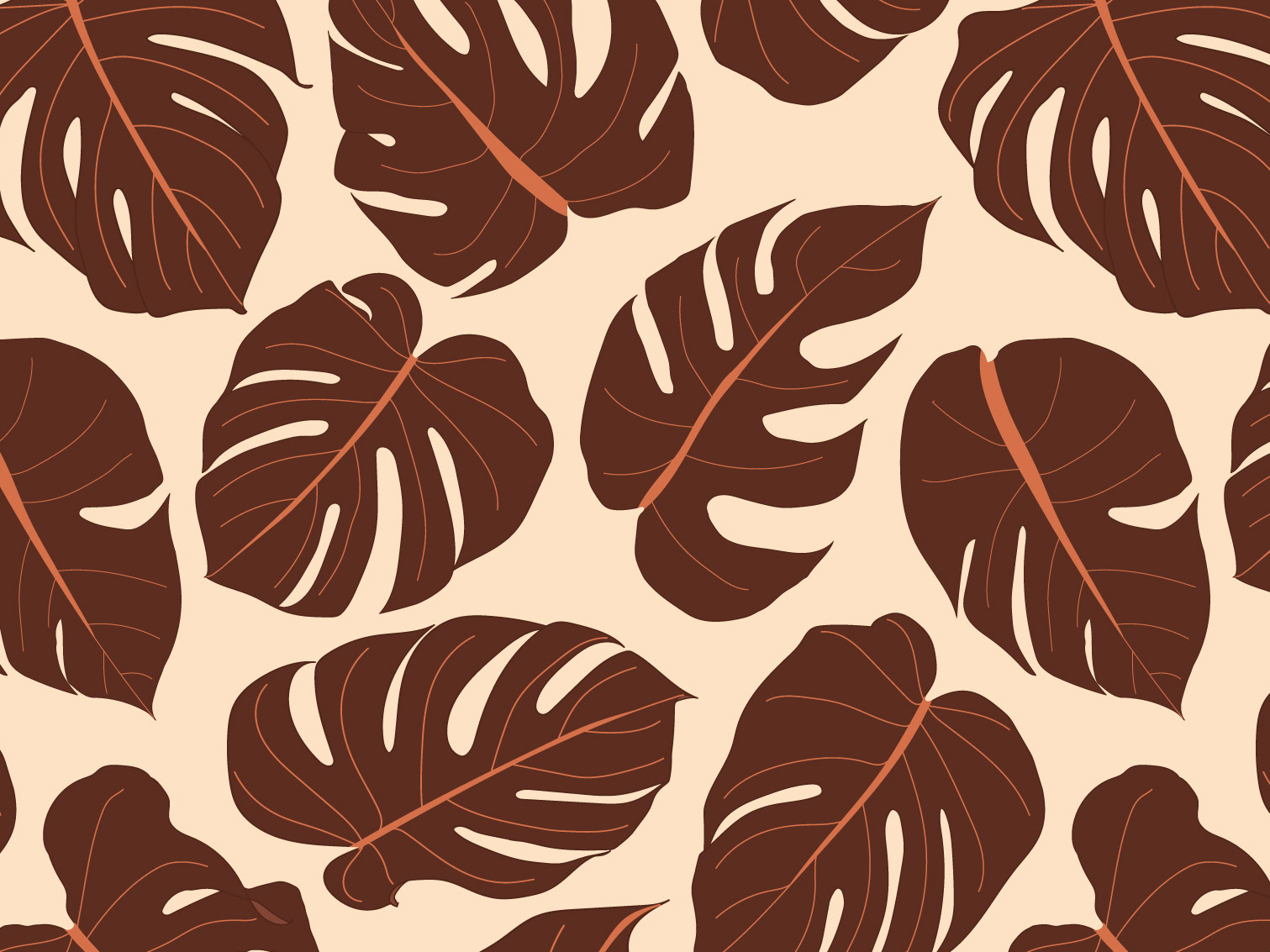
Marula the Day is the exception within the collection. It's the only major design that wasn't drawn from my own photographs.
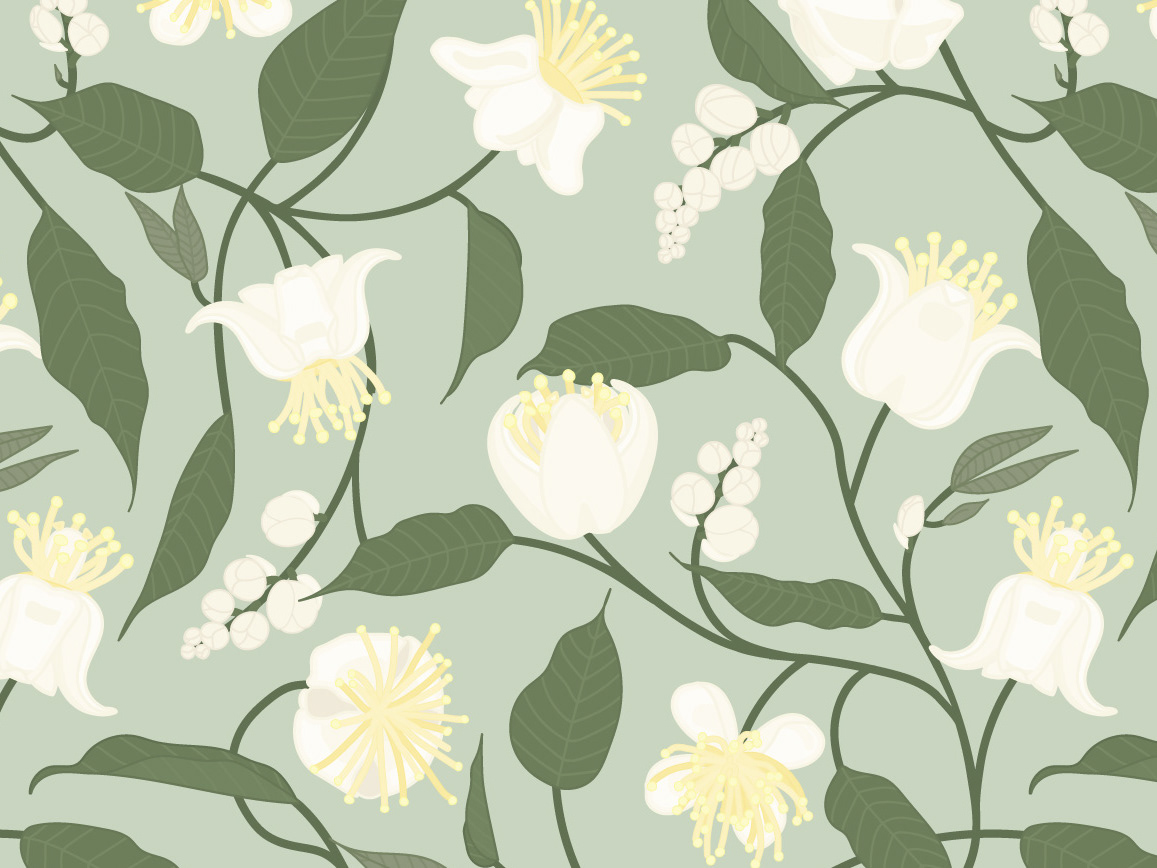
Amarula had often been my drink of choice during sundowners, so when the collection needed another botanical pattern, the marula tree felt like the perfect connection. I hadn't photographed its flowers myself, so I researched the male and female blossoms, leaves and buds, using multiple references to develop my own illustrations directly in Illustrator.
It became a final little thread connecting the finished collection back to those evenings in Africa.
And about that name...
Tails of Africa has one last travel memory tucked into it.
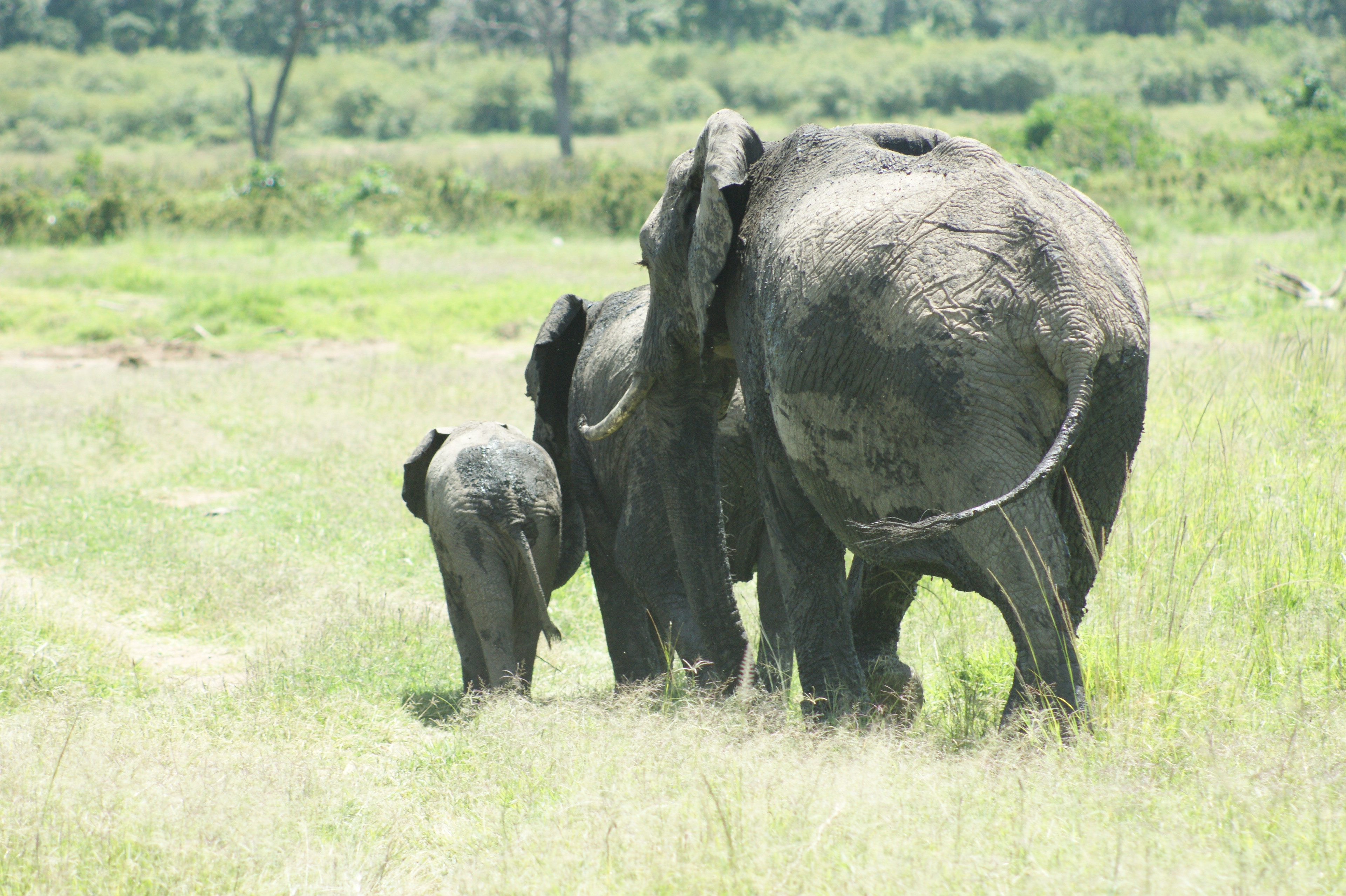
On my very first trip, we joked that we could publish a book called Bums of Africa, because an astonishing number of our wildlife photographs seemed to feature animals walking away from us.
Years later, when this collection needed a name, Tails of Africa became my small homage to that ridiculous, very-much-you-had-to-be-there joke.
Some memories apparently find more dignified ways of surviving than others.
From photographs to patterns
When I took these photographs, I didn't think of myself as creative.
I couldn't have imagined that years later I would return to them while learning illustration and surface pattern design, or that animals, markings, landscapes and little moments I'd captured simply because I loved them would eventually become motifs across an entire collection.
Today, when I look at Tails of Africa, I see all of those things layered together: the places I travelled, the wildlife I encountered, the person behind the camera then, and the unexpected creative path that came much later.
But more than anything, I see the memories.
And perhaps that's what Tails of Africa was always meant to be.